How To Be More Productive With 5 Unconventional Hacks
By Bella Sleep Editors4 min read
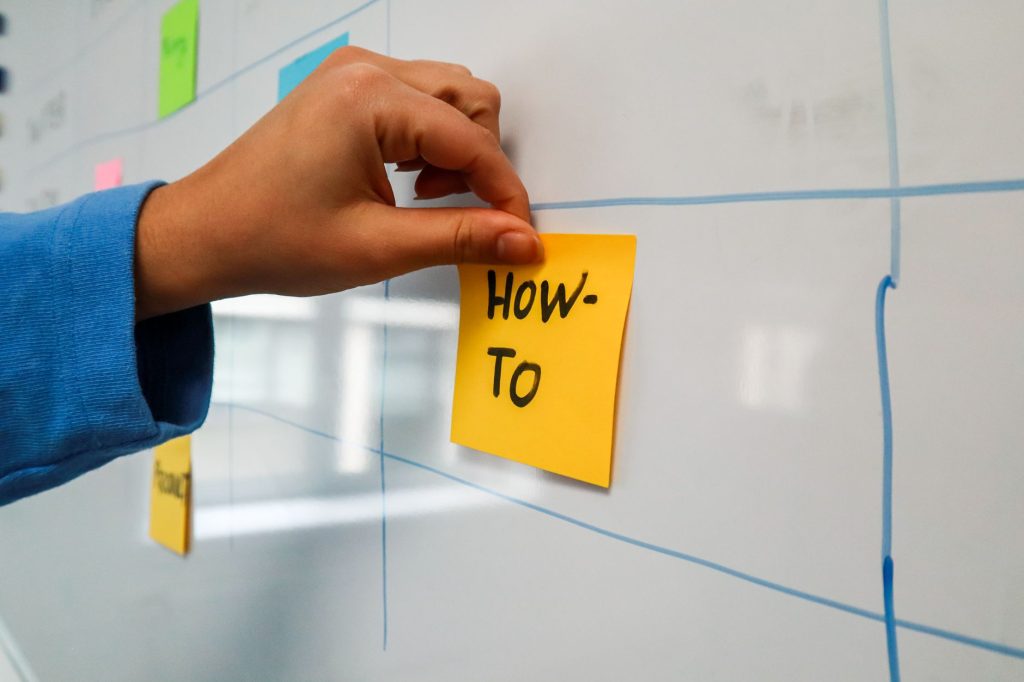
How To Be More Productive is one of those questions everyone asks and almost nobody answers well. Here’s what stopped me when I first looked at the numbers: most knowledge workers get around three hours of genuinely focused work done inside an eight-hour day. The rest disappears into context-switching, low-grade distraction, and looking busy. So if you can actually protect those three hours, you’re already ahead of most people around you.
The usual advice — wake up earlier, drink more water, buy a new planner — doesn’t really move things. What works tends to feel a little strange at first, which is sort of the point.
Five techniques I’ve seen make a genuine difference, and none involve a 5am alarm. First, try task batching by cognitive load: group your heavy thinking into one block and admin into another. Switching between the two costs you roughly 20 minutes of reorientation each time, so batching cuts that waste almost entirely. Second, schedule breaks deliberately rather than waiting until you feel tired. Research from the Draugiem Group found top performers work about 52 minutes then rest for 17, but in my experience 20-minute breaks every 90 minutes hold up better across a full day.
Third, use temptation bundling: only listen to your favourite podcast while doing the boring task you’d otherwise keep skipping. Fourth, write your three most important tasks the night before, not in the morning when decision fatigue is already setting in. Fifth, try a short Friday “shutdown ritual,” five minutes to close out your task list. It genuinely reduces that low-level Sunday dread.
Time blocking is probably the most underused approach I know. You assign every hour a job, including lunch and buffer time. People resist it because it feels rigid, but what it actually does is make your priorities visible. If your calendar fills up before your real work fits, that’s worth paying attention to.
Most people check email roughly every six minutes, which is a staggering way to shred a morning. Batching email to two fixed windows (say, 9am and 4pm) and cutting one unnecessary meeting a day can give you several hours back across the week. Setting an auto-responder that says you reply twice daily is uncomfortable for about a week. Then nobody cares.
There’s a real temptation to download every productivity app going. I’d push back on that. Try one new app per month, use it seriously for 30 days before judging it, and most reveal their real value (or lack of it) around day 10 once the novelty fades.
You don’t need to spend much. A solid setup costs well under $50 a month: Todoist Pro runs about $4, Notion is free for personal use, and a focus timer like Forest is a one-time $2. If you’re spending more than that and still feel scattered, the software isn’t the problem. The tools that help me most are the boring ones: a plain task manager, a calendar, a note app with fast search.
Habits are slower to form than most people expect. The “21 days” figure is a myth. A 2010 study in the European Journal of Social Psychology put the average closer to 66 days, with a wide range depending on the habit. That said, you can usually tell within about seven days whether something is worth pushing through or actually needs adjusting rather than more willpower.
Keep the friction low. If your gym bag isn’t packed the night before, you probably won’t go, and the same logic applies to work habits. Put your task manager on your phone’s home screen. Close your email client by default. Small environmental tweaks compound over months in ways that feel almost unfair.
Knowing How To Be More Productive is mostly about protecting your best hours, not adding more of them. Those three focused hours most people actually have are enough to do significant work, if you stop diluting them. I’d start with one change: block your first 90 minutes each morning for deep work, put your phone in another room, and give it seven days. Most people are surprised by how much clears. The breaks, the batching, the tool stack — those come after. Build the protected time first, then layer everything else in.
Todoist, Notion, and a simple focus timer cover most needs for under $10 a month combined. Try one new app per month rather than switching tools constantly.
Work in 90-minute blocks with deliberate 20-minute breaks, and remove your phone from the room. Most people notice a real difference within a week.
It’s a timer method: work 25 minutes, break 5, repeat. After four cycles, take a longer break of 15 to 30 minutes.
Eating grapes at night can be a healthy choice. With moderate calories and beneficial compounds, they satisfy cravings without disrupting sleep or…
Cacio E Pepe Brussel Sprouts offers a delicious twist on a classic Roman dish, combining sharp cheese and butter with earthy Brussels…
The Best Cookbooks Of All Time not only provide recipes but also teach essential cooking techniques and philosophies that have shaped culinary…