Blog

  • Easy Meal Prep For The Week Done in Under Two Hours

    Easy Meal Prep For The Week Done in Under Two Hours

    Easy Meal Prep For The Week really hinges on how you organize your cooking. If you plan meals well and follow a smart sequence, whipping up a week’s worth of tasty food in just two hours is totally doable. So let’s unpack how to do it right and enjoy meals without that daily cooking stress.
    A lot of folks think the big challenges with meal prep come from hunting down the right recipes or ingredients. While those do matter, the real issue is often about poor sequencing. When you cook in the right order, everything flows together and you can get in and out of the kitchen without wasting time. I want to share a method that’ll streamline your prep while letting you whip up healthy meals for the week.

    Meal Prep Pitfalls

    Meal prep often comes up short because folks skip planning or get bogged down by too many steps. One common mistake? Trying to multitask without a clear method. You might end up juggling different recipes, which just leads to frustration and wasted time. Instead, think strategically about how and when to cook each meal component.
    Batch cooking is really the heart of successful meal prep. For example, cooking around 1.5 pounds of chicken breast can give you about four meals. That’s a solid foundation for your week ahead. You can switch up seasonings or pair it with different sides to keep things fresh. Also, roasted veggies stay good for about five days in the fridge, giving you a variety of healthy options alongside your chicken. Prepare grains like rice or quinoa in bulk too—those keep for five days in airtight containers.

    Two-Hour Sunday Prep

    To nail easy meal prep for the week, set aside two hours each Sunday. Here’s a straightforward plan to keep things organized:
    1. Gather Supplies: Start with clean, organized kitchen tools. Make sure you have cutting boards, knives, baking trays, and containers. I recommend using 16-ounce containers for easy portioning; they’re perfect for single meals.
    2. Cook Proteins First: Start with your chicken breast or another protein. Season it simply with salt, pepper, and herbs, then roast or grill it. While that’s cooking (about 25-30 minutes), move on to the grains.
    3. Prepare Grains: Cook your quinoa or rice while the chicken’s in the oven. This is a serious time-saver—they can cook at the same time. Once they’re ready, divide the grains into your containers.
    4. Roast Vegetables: After the chicken and grains, whip up a big batch of roasted veggies. Use whatever you’ve got—broccoli, bell peppers, or sweet potatoes are great options. Toss them with olive oil, garlic, and herbs, spread them on a baking sheet, and roast until tender.
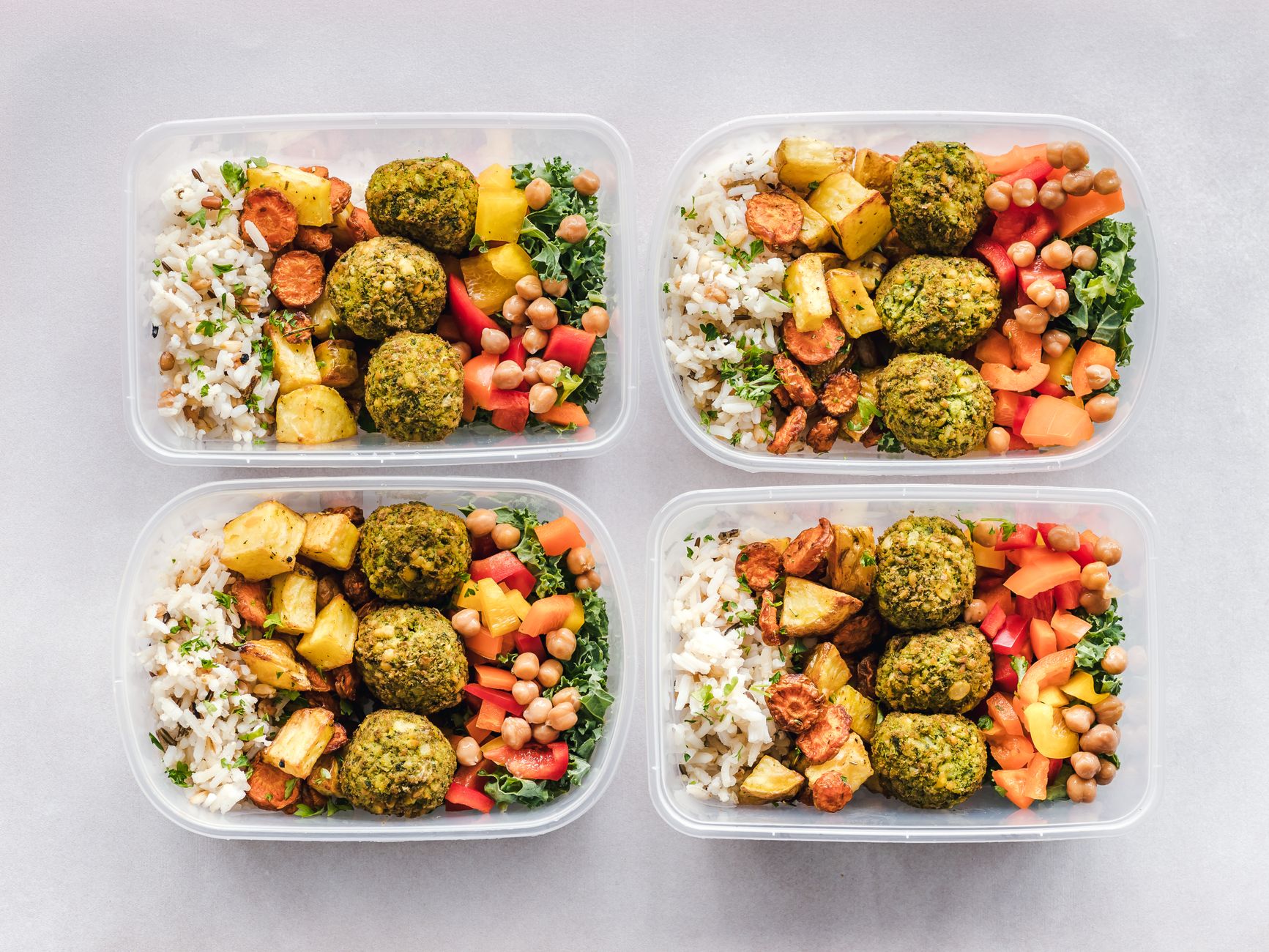
    5. Assemble Meals: Once everything is cooked, take a moment to portion out your meals. Start with grains, add your protein, and top with a good serving of roasted veggies. Honestly, you’ll have four meals in no time.
    6. Store Carefully: Remember, cooked meats shouldn’t sit in the fridge for more than four days to keep things safe. Label your containers with dates, so you know when to eat each meal.

    Smart Storage and Portioning

    When it comes to storage, airtight containers are the way to go. Investing in good ones that seal tightly keeps your meal prep fresh and extends the life of your food. As I mentioned, cooked grains hold up for about five days, and roasted veggies can do the same.
    Portioning into 16-ounce containers helps manage your meals and cuts down on daily decision fatigue. You won’t need to think about what to eat each day—just grab a pre-portioned meal and you’re good to go.
    Keep an eye on freshness and eat your meals in the order they were made. This approach minimizes waste and lets you enjoy your food at its best.
    Planning your easy meal prep for the week shouldn’t be a hassle. With this two-hour method, you can save time while having nourishing meals ready to roll, making it easier to stick to healthy eating habits.

    FAQs

    How long does meal prepped food last in the fridge?

    Meal prepped food generally lasts about four days in the fridge, especially proteins like chicken. Grains and veggies can last up to five days if stored properly.

    What is the best container size for meal prep?

    The ideal container size for meal prep is 16 ounces. This portion is perfect for a single meal and helps keep decision fatigue at bay.

    Can you meal prep 5 days in advance?

    Yes, you can meal prep for five days, but consume cooked meats within four days for safety; grains and veggies can hold up for five days.

  • Fun Things To Do In October Beyond the Usual Halloween

    Fun Things To Do In October Beyond the Usual Halloween

    My neighbor showed up at my door last October holding a jar of apple butter she’d made that morning, and it hit me how much the month has going for it beyond costumes and candy bags. Fun things to do in October spread across every region, every budget, and most weather conditions.

    The trouble is most people default to the same three ideas: haunted house, pumpkin patch, corn maze. Those are fine. But October runs 31 days and has a lot more texture than that, so here’s a closer look at what’s actually worth your time.

    Fall Festivals Worth the Drive

    The U.S. festival calendar in October is genuinely packed. A few worth knowing about, spread across the country:

    • Albuquerque International Balloon Fiesta (New Mexico) — first week of October
    • Leavenworth Oktoberfest (Washington) — three consecutive weekends
    • Harvest on the Harbor (Portland, Maine) — mid-October seafood focus
    • LEAF Festival (Black Mountain, NC) — music and arts in the Blue Ridge
    • Ozark Folk Center Harvest Festival (Arkansas)
    • Chicago Architecture Biennial — runs through October
    • Wellfleet OysterFest (Cape Cod, Massachusetts)
    • Tulsa State Fair (Oklahoma) — early October
    • Big E (West Springfield, MA) — New England’s biggest fair
    • Half Moon Bay Art and Pumpkin Festival (California)

    Most of these run $10 to $30 for general admission. The Balloon Fiesta is worth setting a 5 a.m. alarm for, but book lodging months ahead because the area fills up fast. Shoulder-season travel usually means cheaper hotels than summer anyway, which helps offset the trip.

    Outdoor Adventures in October

    Around October 15th, conditions tend to be genuinely ideal. Crowds have thinned at national parks, temperatures are manageable, and foliage is usually peaking across the Northeast and upper Midwest. Three activities that really shine this time of year:

    Leaf-peeping hikes. The Appalachian Trail, Vermont’s Long Trail, and Colorado’s Maroon Bells all have solid foliage windows in early-to-mid October. Go on a Tuesday if you can swing it.

    Kayaking and canoe trips. Flatwater paddling in fall is underrated. The light is lower and softer, the bugs are mostly gone, and rivers like the Delaware or Arkansas’s Buffalo National River are quieter than they are in July.

    Hayrides. Worth including because the cost is pretty reasonable, around $8 to $15 per person at most farm operations. Some farms bundle a hayride with apple picking and cider for $25 to $35 total, which is decent value for a half-day out.

    October Cooking Worth Trying

    Fall cooking has a short window when the ingredients actually make sense, and October is the heart of it. Five recipes that hold up well beyond the seasonal trend cycle:

    1. Butternut squash soup (roast first, it’s better)
    2. Apple cider braised pork shoulder
    3. Sweet potato and black bean chili
    4. Pumpkin cheesecake
    5. Spiced pear crisp

    October 21st is National Pumpkin Cheesecake Day, which I’ll admit isn’t serious business, but it does give you a specific excuse to bake something good on a random Wednesday. The recipe is easier than it sounds if you use a store-bought graham cracker crust and a hand mixer.

    Weather and What to Wear

    Average October temperatures vary more than people expect. The Gulf Coast runs 65 to 80°F most of the month, while New England and the upper Midwest sit around 40 to 58°F by late October, sometimes dipping into the 30s at night. The Pacific Northwest hovers in the 50s with rain. The Southwest stays warmer, often 60 to 75°F through most of the month.

    Layering handles almost all of these ranges well. A mid-weight fleece, a windproof shell, and a base layer gets you through most outdoor festival situations. I’d skip the heavy wool coat until November in most regions. Waterproof shoes matter more than people think, especially for trail hikes or farm visits where the ground is wet by mid-morning.

    What October Is Really About

    Fun things to do in October don’t require a costume or a theme. The month has its own rhythm: shorter days, woodsmoke, produce that actually tastes like something. A lot of the best activities are low-key by nature. Drive a scenic route during peak foliage, or find a small-town apple festival you’ve never heard of and just show up.

    One thing I’d push back on is the idea that October is mainly for families with kids. Solo trips to wine country, a couples weekend at a rural inn, a friend group renting a cabin near a trailhead — October fits all of it. Rates are often 20 to 30 percent below summer peak, and that’s a real reason to actually plan something rather than wait until the month’s half over.

    FAQs

    What are fun outdoor activities in October?

    Hiking for fall foliage, flatwater kayaking, and hayrides are all solid picks. Conditions are usually ideal mid-month when crowds drop and temperatures stay comfortable.

    What festivals take place in October?

    Major ones include the Albuquerque Balloon Fiesta, Wellfleet OysterFest, Leavenworth Oktoberfest, and the Half Moon Bay Pumpkin Festival, spread across most U.S. regions.

    What recipes are popular in October?

    Butternut squash soup, apple cider pork, pumpkin cheesecake, sweet potato chili, and spiced pear crisp all peak in October when the seasonal ingredients are actually at their best.

  • Easy Dairy-free Dinner Ideas For Family Nights in 2024

    Easy Dairy-free Dinner Ideas For Family Nights in 2024

    Easy dairy-free dinner ideas for family cooking are simpler than you might think. The oat milk market, for instance, grew quite a bit—around four times between 2019 and 2023. That’s not just a niche trend in health-food stores. It shows how grocery stores are reshaping their shelves around what families want. And it’s happened so fast that ingredient swaps feel pretty normal now, and they often cost about the same as what you were buying before.

    But the bigger shift is grasping why families need these dairy-free meals. Most people think lactose is the primary issue, but that’s often not the case. It’s actually the protein casein that triggers most dairy allergies. This means “lactose-free” milk won’t help kids who are allergic. Once you realize that, you stop reaching for the wrong substitutes, and your dinners actually start working for your family.

    My approach? Don’t toss out your entire recipe collection for unfamiliar dishes. You can tweak the recipes your family already loves. Tacos? They stay tacos. Curry? That’s still curry. You’re really just swapping out a couple of ingredients.

    Dairy-Free Dinners for Any Family

    Apart from allergies, plenty of families try going dairy-free for a few weeks and stick with it because the food tastes great. For instance, coconut milk in a weeknight curry is often richer than regular cream. Plus, throwing in some nutritional yeast into pasta gives it a cheesy, nutty flavor while packing in B12, which is crucial if you’re cutting out a food group for a child. Two tablespoons only cost about 30 cents and can cover a good chunk of an adult’s daily B12 requirement.

    Now, budget concerns usually pop up when talking about this. From what I’ve noticed, a dairy-free family dinner typically lands in the same $15–25 range as a standard one. The ingredient swaps don’t jack up your costs like people fear. A can of full-fat coconut milk is around $2–3, and oat milk is about $4 for a half-gallon, matching mid-range cow’s milk. The only significant cost is that first grocery trip when you buy some new staples, and guess what? That’s a one-time deal.

    The real hurdle is fitting it all into your weeknight schedule. If dinner prep goes past 30 minutes on a Tuesday, many families will just give in and order takeout. So, every suggestion below fits comfortably within that time limit.

    Swaps That Save Weeknight Meals

    Coconut milk is a straightforward 1:1 swap for heavy cream in almost any savory dish. Same amount, same richness. In soups and curries, you won’t even pick up on the coconut flavor unless that’s what you want. For cream that acts as background, it pretty much becomes invisible.

    Instead of butter, I’d recommend a quality vegan block like Miyoko’s or Earth Balance. They behave more like traditional butter in a pan. Oil works, but it won’t brown your aromatics the same way. Those vegan blocks usually cost about $5–7, which isn’t bad considering how long one lasts.

    Nutritional yeast deserves a shout-out, too. It’s not just for flavor; it brings nutritional value as well. Toss in two to four tablespoons to your pasta sauce, use it on popcorn, or mix it into mashed potatoes made with oat milk. It’s often the swap people are skeptical of before trying, but then they usually rave about it afterward.

    Seven Quick Recipes to Start Tonight

    Here are seven easy dishes that I’d recommend for any family just starting out. They all require less than 30 minutes of active prep, and they’re built around familiar flavors.

    • Beef or chicken tacos topped with avocado crema (just blended avocado, lime, and garlic) in place of sour cream
    • Weeknight stir-fry with tamari, sesame oil, and any veggies — no dairy here to begin with
    • Pasta dressed with nutritional yeast and olive oil, finished with a splash of pasta water
    • Coconut milk curry with chickpeas or chicken, ready in about 25 minutes served over rice
    • Burgers topped with smashed avocado instead of cheese — trust me, it works better than you’d expect
    • Tomato soup stirred with a can of coconut cream at the end instead of double cream
    • Sheet-pan chicken thighs with roasted veggies, seasoned with olive oil and herbs — dairy-free all the way

    Most of these meals are ones your family is likely already enjoying. The stir-fry and sheet-pan chicken never had dairy in them anyway. The soup and curry just need that one ingredient switched out. That’s the beauty of this approach: those unfamiliar elements are way less daunting than they seem.

    Sticking with It Long-Term

    The families I’ve seen successfully use easy dairy-free dinner ideas for family meals over the long haul usually build a small pantry of four or five key swaps. They stop treating each meal as a unique problem. Keep coconut milk, oat milk, nutritional yeast, a vegan butter block, and decent olive oil on hand. With just those five items, you can handle nearly any recipe that comes your way. No need for specialty stores and no need to overspend. From what I’ve experienced, any cost difference at checkout is pretty minimal after the initial stocking trip.

    One area I’m still uncertain about is how dairy-free cheese behaves in melted recipes. Shredded vegan cheese has really improved, but it still doesn’t melt quite like traditional cheese. For now, I’d skip it in favor of nutritional yeast for that cheesy effect.

    FAQs

    Is dairy-free the same as lactose-free?

    No, because lactose-free products still contain casein, which is responsible for most dairy allergies. Dairy-free means all milk proteins are completely removed.

    What can I use instead of butter in family dinners?

    A vegan butter block is best for cooking and browning. High-quality olive oil also works well in most savory dishes.

    Can kids get enough calcium on a dairy-free diet?

    Yes, through fortified oat or almond milk, canned salmon, broccoli, and leafy greens. Most fortified plant milks have calcium levels similar to cow’s milk.

  • Is Mexico Safe For Solo Female Travellers in 2025

    Is Mexico Safe For Solo Female Travellers in 2025

    Is Mexico Safe For Solo Female Travellers? Honestly, yes, for a lot of it, with some real caveats attached. I’ve spoken to dozens of women who’ve done solo trips through Mexico, and the experiences range from “best month of my life” to “I left two days early.” The difference almost always comes down to destination, not the country as a whole.

    Mexico is enormous. Lumping Oaxaca City in with Culiacán makes about as much sense as comparing rural Vermont to parts of Baltimore. The country has 31 states, wildly different safety profiles, and a tourism infrastructure in some regions that rivals anywhere in Europe. So the real question isn’t whether Mexico is safe. It’s where, and how.

    Take my friend Sara, who spent six weeks solo there last year. She moved through San Cristóbal, Mérida, and Mexico City’s Roma Norte without a single incident. She also briefly considered Mazatlán’s old town, got nervous reading the forums, and skipped it. That kind of selective planning is exactly what works.

    Safety Statistics and Insights

    From what I’ve seen in solo travel communities, roughly half of women who’ve traveled Mexico alone report feeling safe throughout their trip. That number climbs noticeably when you filter for the Yucatán Peninsula and central colonial cities, and it drops for remote Pacific coast stretches and northern border states.

    Mexico’s national homicide rate has been high in recent years, but that violence is heavily concentrated in specific corridors, mostly tied to cartel activity in states like Sinaloa, Tamaulipas, and Guerrero. The US State Department rates those states Level 3 or 4 (reconsider or do not travel). Quintana Roo, where Cancún and Tulum sit, is Level 2, the same rating as France, for context.

    Petty crime like bag snatching and phone theft is the most common issue women actually report. Sara had her phone grabbed through a taxi window in Mexico City when she forgot to keep it away from the glass. Annoying and costly, not violent. Travel insurance covered the replacement; she paid about $85 for a month of solid coverage through a mid-tier provider.

    Top Safe Cities in Mexico

    Mérida consistently tops the list. It’s often called the safest large city in Mexico, and from what I’ve seen, that reputation holds up. The street lighting is good, the centro is walkable at night, and there’s a genuine local habit of looking out for visitors. Sara spent two weeks there and walked home from restaurants after dark without issue. Other cities worth considering:

    • San Cristóbal de las Casas — compact, well-lit, strong backpacker community
    • Oaxaca City — popular with solo women, good hostel network
    • Guanajuato — hilly, colorful, very tourist-friendly
    • Puerto Morelos — quieter alternative to Cancún, small and manageable

    Mexico City is trickier. It’s massive, and safety varies block by block. Colonia Roma, Condesa, and Coyoacán are generally fine for solo women during the day and early evening. Taking the metro alone late at night is where I’d get cautious — women-only carriages exist, which helps, but the system gets rough after midnight.

    Common Safety Concerns Addressed

    Transportation is where most bad experiences start. Hailing random taxis off the street is genuinely risky in several cities. Sara used InDrive and Uber almost exclusively, which creates a paper trail and reduces the chance of express kidnapping. It’s not common, but it’s real enough to take seriously.

    Spiked drinks get reported more often in party-heavy spots like Playa del Carmen and Cabo. Stick to drinks you watch being poured and keep your hand over your glass. Hostels with good recent reviews (check the last three months, not years-old ratings) give you a safer social base than drinking alone at a hotel bar.

    Night buses between cities are generally safer than people assume, provided you book with first-class lines like ADO or ETN. They have assigned seating, CCTV, and don’t pick up random passengers mid-route. Sara used ADO for six of her seven long routes and felt fine on all of them.

    Cultural Tips for Women Travelers

    Dress codes matter less than people online suggest, well, mostly. In beach towns, nobody cares. In smaller conservative towns, especially in Oaxaca’s villages or the Chiapas highlands, covering your shoulders and knees gets you better treatment and less unwanted attention. It’s not a rule, but it’s a practical shift that costs nothing.

    Learning twenty words of Spanish makes a real difference. Not fluency, just enough to say you’re meeting friends nearby or to ask a shopkeeper if the area is okay at that hour. People respond well to the effort, and it signals you’re not completely adrift.

    Solo women get stared at sometimes, and catcalling (known locally as piropo) is common in some regions. It’s unpleasant but usually doesn’t escalate. The consistent advice from women who’ve been there: don’t engage, keep walking, and duck into a shop if someone is persistent.

    What I’d Tell a Friend Before She Goes

    Is Mexico Safe For Solo Female Travellers? For a well-planned trip to the right regions, genuinely yes. Stick to Level 1 and Level 2 states, get travel insurance before you fly (budget around $70-100 for a month), use app-based transport, and build your itinerary around cities with strong tourism infrastructure. Sara’s trip was one of the best she’s taken, and she’s already planning to go back. That tells you more than any statistic.

    FAQs

    Is it safe for a solo woman to travel to Mexico?

    Yes, in many regions. Safety varies significantly by state — the Yucatán and colonial cities are far safer than border states or parts of the Pacific coast.

    What are the safest cities in Mexico for women?

    Mérida is consistently rated the safest large city. Oaxaca City, San Cristóbal, and Guanajuato are also popular and generally reliable choices.

    How can I stay safe while traveling in Mexico?

    Use app-based taxis, book first-class overnight buses, get travel insurance, and avoid high-risk states flagged Level 3 or 4 by the US State Department.

  • Is Quebec Expensive To Visit Compared To U.S. Cities in 2023

    Is Quebec Expensive To Visit Compared To U.S. Cities in 2023

    Most travelers think of Quebec as an expensive spot because of its European vibe and rich culture. But, honestly, it’s often more affordable than you might expect—especially when compared to other Canadian cities or even some in the U.S. Sure, some things can get pricey, but if you dig a little deeper, you’ll find that budget travelers can have a great time without draining their wallets.
    Costs in Quebec can really vary based on where you go. Quebec City usually ends up being pricier than Montreal, but both cities offer plenty of choices for different budgets. I’ve put together this guide to help you understand what to expect when it comes to costs, so you can plan your trip better.

    Daily Budget Breakdown

    Figuring out your daily budget is key when you’re heading to Quebec. Here’s a rough estimate for what you might spend each day:
    – Accommodation: CAD $140 to $180 for Quebec City; around CAD $140 for Montreal.
    – Meals: A tasty poutine costs between CAD $12 to $18. For a sit-down dinner in Old Quebec, expect to pay CAD $40 to $70 per person.
    – Transportation: If you’re using public transport in Montreal, a day pass for the metro is CAD $11.
    – Activities: Tickets for popular events, like the Carnaval de Québec, are about CAD $20.
    If you’re traveling on a budget, hostels might be the way to go. I’ve seen beds starting at around CAD $35 per night. All this means your daily budget could sit anywhere from CAD $100 to CAD $250, depending on what you choose.

    Cost Comparison: Quebec City vs Montreal

    Quebec City and Montreal each have their own unique costs. In Quebec City, hotel prices typically hover around CAD $180 per night. If you wish to explore the historical sites, dining and activities can add up fast.
    Montreal, however, offers a bit more bang for your buck. Hotel rates average around CAD $140, and meals can be slightly cheaper too, though quality restaurants still charge around CAD $40 to $70.
    Plus, if you’re an American traveler, the current CAD to USD exchange rate plays in your favor—offering a gain of about 25 to 30% for every dollar spent. So, a meal costing CAD $50 would feel more like spending only USD $37, making it an attractive option for those coming from the States.

    Save Money While Enjoying Culture

    Want to keep costs down while soaking in the local culture? Try these tips:
    1. Smart Dining: Avoid those touristy restaurants. Instead, hit up local bistros or food markets. Trust me, poutine from a local vendor is often just as good and lighter on your wallet.
    2. Transportation: Skip the taxis; using the Montreal metro is a savvy choice. A day pass only costs CAD $11, giving you unlimited travel for the day.
    3. Free Attractions: Both cities have parks and other free attractions. Places like the Old Port in Montreal or the Plains of Abraham in Quebec City are fantastic spots to experience the local scene without racking up expenses.
    So, while it’s easy to rack up a hefty bill in Quebec, there are loads of opportunities to explore without spending too much. Make informed choices, and you’ll enjoy a fantastic trip without going overboard.

    FAQs

    Is Quebec City more expensive than Montreal?

    Yes, Quebec City usually has higher hotel and dining prices than Montreal, though both cities have options for budget travelers.

    Is Quebec expensive for Americans?

    Quebec can be less costly than many U.S. destinations, especially thanks to the favorable CAD to USD exchange rate, providing savings for American visitors.

    What is the cheapest time to visit Quebec?

    Typically, mid-January to early March marks the low season, offering lower accommodation prices and fewer crowds, making it a perfect time for budget travelers.

  • Best Things To Do In Bogota That Go Beyond Tourist Spots

    Best Things To Do In Bogota That Go Beyond Tourist Spots

    Walking through Bogotá’s streets on a Tuesday morning, you might hear a street performer playing vallenato outside a corner tienda. I did, and it stopped me in my tracks. This city has a way of pulling you in when you’re not expecting it, and there’s genuinely more going on here than any guidebook covers.
    Bogotá’s real appeal comes from its neighborhoods, its food, its weird little Sunday rituals. Here’s my take on the best things to do in Bogotá, based on time actually spent here.

    Hidden Gems of Bogotá

    La Candelaria is the obvious starting point, but don’t rush it. The colonial buildings are legitimately beautiful, painted in colors that photograph well but look even better in person. Duck into the smaller side streets and you’ll find cafes run by the same family for decades, and artisan shops selling things you won’t see at the airport.
    The Ciclovía is something else entirely. Every Sunday from 7 AM to 2 PM, the city closes over 110 kilometers of roads to cars. Cyclists, joggers, families with strollers, all of them take over. Bogotá has around 550 km of bike paths total, so the infrastructure is there, and this is honestly the most fun way to understand how locals actually live in this city.

    Cultural Highlights and Museums

    The Gold Museum (Museo del Oro) is worth every penny of its roughly $5 entry fee. Over 55,000 pieces of pre-Hispanic goldwork, and the presentation is genuinely thoughtful rather than just stuff in cases. I’d clear two hours minimum for it.
    The Botero Museum is free, which almost feels wrong given the quality. Fernando Botero’s exaggerated proportions are immediately recognizable, and seeing the full collection in person hits differently than photos suggest. For art enthusiasts, this is a serious stop.
    Monserrate sits at 10,341 feet and the views over the city are staggering. A cable car or funicular gets you up there, and I’ll admit the crowds on weekends can be a bit much, but the panorama is hard to argue with.

    Local Markets and Street Food

    Usaquén’s Sunday market is one of the best things to do in Bogotá, full stop. Local artisans, live music, food stalls packed together in a neighborhood that already has good energy. It’s not just shopping. You’ll end up staying longer than planned.
    Street food here is cheap and genuinely good. Arepas run around $1.50, empanadas slightly less, and buñuelos are worth trying even if you’re skeptical going in. Bogotá’s street food scene rewards the willing.

    Enjoying Nature in the City

    Parque Simón Bolívar is about 113 hectares of green space in the middle of a city of nine million people. Picnics, jogging, people watching, it handles all of it easily. Go on a weekday if you want room to breathe.
    The Bogotá Botanical Garden is a smaller detour but a good one, especially if you’ve been walking concrete for days. Small entry fee, tropical plants, flowers that don’t look real. A few hours there resets things nicely.

    Unique Experiences Beyond the Guidebooks

    Salsa lessons at a local studio run about $10, and most places are welcoming to complete beginners. It’s participatory rather than just watching, and Colombian culture makes a lot more sense once you’ve stumbled through a few steps on a dancefloor.
    Street art tours are offered for a small fee and they’re legitimately interesting. Bogotá’s murals aren’t decoration, they’re social commentary, and a good guide connects them to specific moments in the city’s history. I learned things on one of these tours that no museum covered.
    And if you can manage the day trip logistics, a coffee farm outside the city is worth it. Colombia’s reputation for coffee is earned, and tasting it close to the source (still warm, no airline miles on it) is one of those small details that sticks with you.

    Make the Most of Your Visit

    The best things to do in Bogotá aren’t necessarily the most advertised ones. Some of the best hours I spent here were completely unplanned, following music down a street or stopping at a market stall on a whim. Plan your anchor stops, then leave room to wander. That’s where Bogotá actually shows itself.

    FAQs

    What are the must-visit places in Bogotá?

    La Candelaria, the Gold Museum, Monserrate, and Usaquén Sunday Market cover history, culture, and local life well.

    How safe is it to travel in Bogotá?

    Most tourist areas are fine during the day; avoid unfamiliar neighborhoods after dark and use reputable transport.

    What is the best time to visit Bogotá?

    December to March is the dry season and generally the easiest time to visit; year-round temperatures hover near 60°F.

  • Best Hostels In San Francisco 2025 Neighborhood Guide

    Best Hostels In San Francisco 2025 Neighborhood Guide

    The best hostels in San Francisco are mainly found in the Tenderloin, North Beach, and Lower Nob Hill. Surprisingly, they don’t pop up much near the tourist-heavy Fisherman’s Wharf. That area might look great on a map, but trust me, hostels there are often overpriced and lack decent transit options. Instead, you’ll want to stick to neighborhoods that are walkable, close to BART, and packed with affordable eats, often under ten bucks.

    Just to give you some perspective on why hostels matter: hotel prices in San Francisco can easily soar over $200 a night, even on slower Tuesdays. Meanwhile, dorm beds at decent hostels usually range from $40 to $75, depending on the season and how early you book. That’s a significant difference and really dictates your travel plans in this city.

    Top Hostels by Area

    HI San Francisco City Center at 685 Ellis St is often the top pick among visitors. It’s located in the Tenderloin, a place that may seem intimidating at first, but it’s actually perfectly fine once you get the lay of the land. I found the building tidy, well-staffed, and surprisingly spacious. HI hostels generally have age restrictions, but City Center allows all ages, which is a nice change from the usual 18–35 limits at some other properties. Double-check this when booking, as policies do change.

    On the other hand, Green Tortoise Hostel on Broadway offers a completely different vibe. It’s more compact and quite a bit louder, with a focus on social interaction. They do include free breakfast, which is a real win given San Francisco’s grocery prices. North Beach is great since you’re near the waterfront but not trapped in the Fisherman’s Wharf tourist trap, and the 30 Stockton bus can get you downtown in about fifteen minutes.

    Then there’s USA Hostels SF on Mason Street, which sits right between Nob Hill and the Tenderloin. This spot is close to lots of attractions, making it a really central choice. You can easily walk to Union Square, and the Powell Street BART station is just a short ride away. They host organized social events most nights, which could either be a blast or overwhelming, depending on your style. If peace and quiet are what you seek, it might not be your best bet.

    Rates, Amenities, and Booking Tips

    One thing to know is that dorm rates in San Francisco fluctuate quite a bit. During the summer or around conferences, expect rates of $65–$75 for a basic bed. If you can book a couple of weeks out, you’re usually good to go; however, trying for same-day bookings in July can lead to paying for the worst bed available. For reliable listings, both Hostelworld and Booking.com work fine, but I’d recommend checking the hostel’s own site after, since direct bookings sometimes save you a few bucks.

    Free breakfast may seem like a minor perk, but in San Francisco, where breakfast can set you back $18–$22, it’s significant. Green Tortoise offers it, while HI City Center doesn’t include it with the standard rate. Most of these hostels do provide private rooms that generally cost $120–$160 a night, still a good deal compared to hotels, plus you get a locker and access to a shared kitchen.

    • Pack a padlock; most SF hostels need your own for lockers.
    • Check cancellation policies before paying; some are strict within 48 hours.
    • Expect weekend rates to be about $10–$15 higher than weeknights.
    • Ask about weekly discounts if you’re staying for five nights or more.

    Getting Around Easily

    San Francisco’s public transportation isn’t perfect, but it covers central areas pretty well. HI City Center on Ellis Street is about four blocks from Civic Center BART, which connects directly to SFO and Oakland airport. This is super handy if you’re arriving late or leaving early. Muni buses also run frequently on Market Street, just a short walk away.

    If you’re at Green Tortoise in North Beach, you won’t have a BART line right there, but the 30 and 45 Muni routes are close and can get you downtown in under twenty minutes. The downside? Limited parking in North Beach means if you’re driving, you’ll need to budget for a garage. As for USA Hostels on Mason, it’s nearest to Powell Street BART, making it easy to reach the Mission, Castro, and SFO without switching trains.

    Muni day passes run about $13 for unlimited rides, and if you’re hopping around, they’re worth it. Using Clipper cards is easier than fiddling with single tickets at machines. Most staff at the hostels can help you figure out the best transit options in under two minutes.

    Your Arrival Experience

    The best hostels in San Francisco are solid budget options, but keep in mind, this city is pricey and can be complicated. Even at a hostel, you should plan on spending $25–$40 a day on food if you’re not cooking in the shared kitchen. Generally, these hostels feel safe; they staff the front desk overnight, and keycard access is standard here. What can catch newcomers off-guard is the neighborhood vibe, especially near Civic Center and parts of the Tenderloin. It’s not exactly dangerous; just intense, and you’ll get used to it after a day or so.

    FAQs

    What is the cheapest hostel in San Francisco?

    USA Hostels SF and HI City Center typically list dorm beds starting around $40–$45 in the off-season, but rates jump sharply in summer, so booking early makes a real difference.

    Do San Francisco hostels have age limits?

    HI City Center has an open-age policy, while some HI properties may cap guests at 35. Always verify the specific property’s policy when you book.

    Are hostels in San Francisco safe?

    Most main hostels have overnight staff, key-card entry, and lockers. Neighborhoods can feel rough at first, but inside the hostels, security is usually reliable.

  • How To Travel In Africa Without the Usual Mistakes

    How To Travel In Africa Without the Usual Mistakes

    I landed in Nairobi with a printed itinerary, no local SIM card, and this vague belief that “Africa” was one giant country. It’s not. Knowing how to travel in Africa properly would’ve saved me about three days of confusion and one really pricey taxi ride.

    Africa has 54 countries, each with its own visa requirements, currencies, transport systems, and culture. That variety is what makes it incredible, but it also means standard advice often misses the mark. What works in Morocco won’t apply in Tanzania, and vice versa.

    This is the stuff I wish someone had clued me into before my trip, based on my experiences through East Africa since that’s where I’ve traveled the most.

    Explore Unique African Destinations

    Most folks stick to Kenya or South Africa, and they’re both fantastic. But I’ve found some of the most unforgettable spots in Africa are the hidden gems. Zanzibar’s Stone Town features this incredible Arab-Swahili architecture, unlike anywhere else. Rwanda’s Volcanoes National Park lets you track mountain gorillas for about $1,500 per permit, which seems steep until you’re just feet away from them.

    Here are five places worth considering: Ethiopia’s Danakil Depression (super hot, but oddly beautiful), Namibia’s Skeleton Coast, Senegal’s Casamance region, Malawi’s Lake Malawi for budget-friendly diving, and Mozambique’s Quirimbas Archipelago if your budget allows. They’re all accessible, but often skipped because they require an extra flight.

    Budgeting for Your African Adventure

    Daily expenses can vary significantly. In Uganda or Malawi, budget backpackers can get by on $50 a day, covering dorm beds, local meals, and minibus transport. Mid-range travel in Kenya or Tanzania runs between $100 and $150 daily once you include decent accommodation and occasional safari transfers. In Southern Africa, particularly Botswana, expect to spend $200 or more if you want to stay near the wildlife areas.

    A big shock for many is the park fees. For instance, entry to Serengeti for non-residents is roughly $70 per person daily. That’s before you even think about hiring a guide or vehicle. Make sure to budget for this specifically rather than lumping it into vague “activities.” ATMs in capital cities usually work fine, but they can be hit or miss in rural areas, so it’s smart to carry some USD as backup since it’s widely accepted across East and Southern Africa.

    Safety Tips for Traveling in Africa

    Africa often gets a bad rap. From what I’ve seen, petty theft and some opportunistic scams are the main risks in most tourist areas—not the dramatic dangers people often imagine. Nairobi’s city center calls for real caution after dark, and Johannesburg’s CBD does too. But in rural Tanzania, northern Namibia, or the coast of Mozambique, you’ll find it’s genuinely relaxed.

    Always check your government’s travel advisories before each leg, not just for the overall trip. Some regions in Ethiopia and parts of the Sahel have serious warnings currently. Getting travel insurance that covers medical evacuation is an absolute must. An evacuation from a remote area can hit $30,000 or more without it. Keep digital copies of your passport handy offline.

    Understanding Local Transport Options

    This part either gets interesting or falls apart for many trips. Matatus in Kenya and Uganda are the go-to for short-distance travel: shared minibuses that pack up and leave when full, cost next to nothing, and reach places no tourist bus would go. A matatu from Nairobi to Nakuru costs about 300 Kenyan shillings (around $2.30). They can be chaotic and sometimes overcrowded, but they get the job done.

    If you’re traveling longer distances, overnight buses between major cities usually do the trick. Train networks are limited and often slow, although Tanzania’s TAZARA railway to Zambia can be a real adventure if you’ve got four days. Domestic flights have become cheaper with airlines like Precision Air and Jambojet. If you’re on a tight schedule, flying between countries is often a time-saver well worth the cost.

    Cultural Etiquette in Africa

    Greetings are more important than many Western travelers expect. In much of East and West Africa, jumping straight into a question or transaction without a proper greeting is seen as rude, not efficient. Learn the local hello—like “Habari” in Swahili—and you’ll likely notice a shift in how people respond to you.

    Dress modestly in Muslim-majority areas, like Zanzibar’s Stone Town or northern Nigeria. That doesn’t mean full coverage everywhere, but packing a sarong costs nothing and can avoid awkward moments. Always ask before photographing people; it’s a sign of respect. Some communities take issue with it. In my experience, just asking leads to better photos anyway.

    Planning Your African Trip

    US citizens need to check visa requirements for each country, as there’s no universal visa for Africa. Kenya, Rwanda, and Ethiopia offer e-visas that take about two to five business days online, while South Africa allows Americans in visa-free for 90 days. A few countries still require embassy visits, so start this process at least six weeks ahead of your trip.

    The best time to visit really depends on which part of Africa you’re aiming for. East Africa’s dry season runs approximately June through October when wildlife gathers near water sources and visibility is at its peak. Southern Africa’s prime time is May through August. West Africa is trickier since the Saharan harmattan wind makes December through February dusty in many places. Knowing how to travel in Africa means recognizing that “Africa” isn’t just one climate.

    FAQs

    What is the best time to travel in Africa?

    East and Southern Africa are best from June through October during the dry season. In West Africa, it’s better to avoid the heavy harmattan months if visibility and air quality are important.

    How much does it cost to travel in Africa?

    Budget about $50 per day for basic travel, $100 to $150 for mid-range trips, and expect to spend $200 or more in Botswana or other luxury destinations. Park fees can significantly raise costs too.

    Do I need a visa for Africa?

    Visa rules change by country. US citizens enjoy 90 days visa-free in South Africa but need an e-visa for Kenya, Rwanda, and Ethiopia. Always verify requirements for each country before you book.

  • What Travel Means To You and Its Emotional Benefits in 2023

    What Travel Means To You and Its Emotional Benefits in 2023

    Around 72% of people feel happier when they travel. That’s a clear reminder of how traveling can positively affect our lives. It’s not just about visiting new places; it’s a meaningful journey that connects with our true selves. Whether you’re soaking up the sun at the beach, hiking in the mountains, or wandering through vibrant cities, each adventure can shape your beliefs, desires, and identity. Let’s dive into how travel impacts our personal growth, finances, and sense of self.

    Emotional Benefits of Traveling

    Traveling offers emotional benefits that go beyond the joy of a getaway. Engaging with new cultures can enhance your worldview and strengthen connections with others. From my experience, traveling does wonders for mental health—it helps reduce stress and anxiety. When you venture beyond your comfort zone, you often discover a freedom you can’t find elsewhere.
    Understanding diverse lifestyles opens your eyes, encouraging empathy and acceptance. This emotional development leads to lasting happiness, making travel an essential part of many people’s lives.

    Personal Growth Through Travel

    Over half of travelers—about 54%—seek journeys purely for personal growth. This drive often comes from a desire to challenge themselves and pick up new skills. Travel pushes you to adapt to unfamiliar situations, which builds resilience. You might find yourself overcoming a language barrier or navigating a new city.
    Furthermore, travel creates moments for introspection that often get overlooked in daily life. Be it a solo hike or chatting with locals, these experiences deepen your understanding of who you are. You return not only with souvenirs but also with newfound confidence and insights.

    The Cost of Travel

    Travel does impact your wallet. A typical domestic trip runs around $1,200. Many folks see this as a big investment, but in my view, the returns are worth it. You create unforgettable memories and gain experiences that money can’t buy.
    It’s important to plan your finances carefully. You need to balance costs with potential benefits like personal growth and emotional happiness. There are budget-friendly options, from staying in hostels to eating at local diners, so you can travel without going broke.
    When managed well, travel shifts from a financial strain to a rewarding investment in your joy.

    Experiences Over Stuff

    Many travelers—about 80%—now value experiences more than material possessions. This trend shows that people often find fulfillment in experiences rather than physical items.
    We cherish the memories of climbing a mountain or sharing a meal abroad far more than we do a new gadget or fashion statement. Shared experiences build a feeling of belonging and enrich relationships in ways that material goods usually can’t.

    Solo Travel Growth

    Solo travel has jumped by 30% since 2015, reflecting a growing trend of individuals wanting to explore independently. This isn’t just a phase; it highlights the importance of personal exploration. Traveling alone offers unique chances for self-discovery and challenges you to step outside your comfort zone.
    When you travel solo, you can set your own pace and fully immerse yourself in the experience without the distractions of traveling with others. This independence can significantly boost your emotional well-being and lead to greater personal satisfaction.

    Traveling and Identity

    Travel reshapes more than just your location; it reshapes your very identity. It confronts your assumptions and biases while introducing you to a variety of cultures and lifestyles. These encounters nurture personal growth and self-awareness, helping you refine your values and beliefs.
    As time goes on, these experiences become part of who you are, influencing your choices long after you return. You might adopt new habits, perspectives, or even a different style, all reflecting your travels.

    FAQs

    What are the psychological benefits of travel?

    Travel boosts mental well-being by reducing stress and anxiety. Engaging with new cultures fosters empathy and tolerance, broadening your understanding of the world.

    How can travel contribute to personal growth?

    Travel promotes personal growth by pushing comfort zones and building resilience. It encourages adaptability and provides chances for self-reflection and newfound confidence.

    What are the financial considerations for traveling?

    Traveling involves costs; domestic trips average around $1,200. Smart financial planning can make travel an investment in your happiness without overspending.

  • How To Find Cheap Rental Cars and Save Big While Traveling

    How To Find Cheap Rental Cars and Save Big While Traveling

    Finding cheap rental cars can feel like searching for a needle in a haystack. But here’s the thing: just like airline tickets, car rental prices swing wildly. Timing and where you book can make your final cost jump from reasonable to ridiculous. You don’t need loyalty programs or coupon codes to snag a deal; it’s all about using smart strategies.
    Let’s dig into some proven methods to grab the best rates on rental vehicles. You might discover that a little advance planning and the right search tools lead to substantial savings. Here, I’ll cover effective ways to find affordable rentals and give you a heads-up on common pitfalls that can inflate your costs.

    Book Early and Track Prices

    Booking your rental car 2 to 6 weeks in advance is one of the easiest ways to save money. From what I’ve seen, doing this can lead to discounts of around 15% to 40%. Prices vary based on demand, so the earlier you book, the better your chances of snagging a lower rate.
    If you’re renting during peak season, inflated prices are common, especially if you wait until the last minute. If you know your travel dates, set a reminder to check prices regularly. Book when you find something that works for you.
    And don’t settle for the first price you see. Keep an eye on trends—rates can change dramatically week to week. If a price drops, it might pay off to rebook. Just be sure to read the fine print and cancellation policies before making any moves. This way, you can secure a better deal without risking your money.

    Where and How to Search

    The pickup location of your rental car can significantly influence the cost. Off-airport spots usually run 10% to 30% cheaper than airport rental counters. Yes, it might take a bit longer to get there, but those savings can be worth it. Think about using ride-sharing apps or public transport to reach your rental; those extra steps can really add up to savings.
    When you’re ready to search, major aggregators like Kayak and AutoSlice let you compare prices from dozens of suppliers in one go. This saves you time while sifting through various deals. Keep in mind that not all rental companies list their prices on every aggregator, so checking multiple platforms is a smart move.
    Also, consider what type of car you really need. Compact cars generally range from $40 to $60 a day, while SUVs can jump to $80 to $120 daily during peak times. Think about your trip—is an SUV necessary, or can you manage with a compact?

    Watch for Fees and Insurance Savings

    Rental cars often come with a bunch of fees that can surprise you. Always read the fine print regarding additional costs. For example, choosing a prepaid rate might reduce your total bill by around 25%. Just be mindful of cancellation policies; if your plans shift, a prepaid rate might not allow for flexibility.
    Insurance is another area where you can trim costs. If your credit card provides rental car insurance, consider skipping the rental company’s Collision Damage Waiver (CDW). This can save you an extra $15 to $30 each day. Just make sure you check your card’s terms—some cards cover rentals only under specific circumstances, so understanding your eligibility is key.
    Lastly, be wary of extra features that rental companies try to upsell at the counter. GPS devices, child seats, and additional drivers often come with high fees. If you’re tech-savvy, use your phone’s maps instead, and child seats can typically be rented elsewhere for much less.

    FAQs

    What is the cheapest day to rent a car?

    Weekdays usually offer cheaper rates than weekends. Tuesdays and Wednesdays often have the lowest rental prices, making them great days to book.

    Does my credit card cover rental car insurance?

    Many credit cards provide rental car insurance, but coverage differs by card. Be sure to check your card’s policy for specifics on what’s included.

    Is it cheaper to rent a car off-airport?

    Yes, renting from off-airport locations generally results in better prices, often 10% to 30% lower than airport rental counters.