Blog

  • Best Games iPad Owners Actually Miss in 2023

    Best Games iPad Owners Actually Miss in 2023

    The best games iPad owners tend to miss aren’t the ones Apple promotes on the App Store front page. Most people assume the top charts tell the whole story, but they don’t. Some of the strongest titles from 2023 are buried under freemium clutter, and you’d walk right past them without a nudge.

    I’ve spent a lot of time playing on iPad, mostly a 10th-gen and an older Air. What I keep finding is that the genuinely good stuff sits in the 4.6-to-4.9 star range with a few hundred reviews rather than a few million. That’s usually the sweet spot, because big review counts often just mean big marketing budgets.

    This covers underrated picks worth your time, how pricing actually breaks down, genre recommendations, and whether Apple Arcade is really worth the subscription.

    Underrated Games You Should Try

    Railbound (puzzle, released late 2022 but had its big moment in 2023) sits at 4.8 stars and costs $3.99. It’s one of the most satisfying logic games I’ve played on any platform. Storyteller launched in March 2023 at $4.99 and earned a 4.7 rating quickly. The concept is odd enough that most people skip it, which is genuinely their loss.

    On the action side, Shovel Knight Dig is underplayed on iPad despite a 4.6 rating. It’s a $7.99 purchase and runs beautifully on any iPad from the last three years. Strategy fans should look at Into the Breach, which came to iPad via Netflix Games in 2023 for free if you’re a subscriber, otherwise $2.99. At that price there’s almost no reason to skip it.

    Two more worth flagging: Prune is an older title that resurfaced after an iOS 17 update, and Laya’s Horizon showed up quietly on Apple Arcade with a 4.5 rating and almost no fanfare. Both are good for very different reasons.

    Price Ranges and Accessibility

    The $0 to $29.99 range covers essentially everything worth playing. Here’s roughly how it breaks down:

    • Free (ad-supported or freemium): Alto’s Odyssey, Subway Surfers, Pokémon GO
    • $0.99 to $4.99: Railbound, Storyteller, Prune, Mini Metro
    • $5 to $9.99: Shovel Knight Dig, Bloons TD 6, Stardew Valley
    • $10 to $29.99: GRID Autosport, Civilization VI, The Room series bundle

    Stardew Valley at $4.99 is probably the best dollar-per-hour deal on the list. I’ve seen people put 80-plus hours into it on iPad without a single in-app purchase. Civilization VI costs $19.99 for the base game, and the expansions add up fast, so factor that in before buying.

    Free-to-play titles can work fine for casual sessions, but most are engineered to frustrate you into spending. If your budget allows even $5, a premium game with no ads is almost always a better time.

    Genre Breakdown and Recommendations

    Puzzle games are probably where iPad shines most. The touch interface genuinely adds something to games like Monument Valley 2 (4.8 stars) and The Room: Old Sins that you just don’t get on console. If you haven’t played either, start there.

    Action games are a trickier sell on iPad because virtual controls can feel slippery. Games built around simple tap mechanics, like Vampire Survivors (free, 4.7 stars, arrived on iOS mid-2023), handle it much better than ports expecting a thumbstick. Strategy translates really well too, since you’re not fighting the input method. Into the Breach and Bloons TD 6 are the two I’d point anyone new to the category toward first.

    Apple Arcade vs Paid Games

    Apple Arcade costs $6.99 a month and gives you around 200 games with no ads and no extra purchases. One month of Arcade is cheaper than most premium games, and you get titles like Laya’s Horizon, Fantasian (a JRPG from the Final Fantasy creator, genuinely great), and Jetpack Joyride 2.

    The honest downside is that the catalog is uneven. Maybe 30 or 40 of those 200 games are actually compelling; the rest feel like padding. So if you’re only casually interested in gaming, buying two or three premium titles outright might serve you better than a subscription you’ll forget to cancel. That said, for puzzle and adventure fans specifically, Arcade has enough to justify at least a trial month. Fantasian alone took me about 35 hours to finish.

    What to Actually Download First

    The best games iPad players should start with depend on what you’re after, but I’d tell almost anyone to grab Railbound and Into the Breach before anything else. Both are cheap, both rate above 4.6, and neither wastes your time with fake difficulty or paywalls. If you want to try Apple Arcade, sign up for the free trial and play Fantasian for a week. That’ll tell you whether the subscription is worth keeping.

    Avoid spending money on anything rated 4.2 or below unless you’ve watched actual gameplay. And skip the top free charts almost entirely, because most of what’s there is designed around retention metrics, not fun.

    FAQs

    What are the best iPad games in 2023?

    Standouts include Railbound, Storyteller, Into the Breach, Vampire Survivors, and Fantasian on Apple Arcade, all rated above 4.5 stars.

    How much do top iPad games cost?

    Most premium titles run between $0.99 and $9.99. A few strategy games like Civilization VI reach $19.99, but plenty of excellent options cost under $5.

    Are Apple Arcade games worth it?

    At $6.99 a month it’s worth it if you play regularly. Casual players may get better value buying one or two premium games outright.

  • Budget Gaming Laptop Secrets for 2024 Under $600

    Budget Gaming Laptop Secrets for 2024 Under $600

    Gaming laptops have changed a lot in the past few years. You can now grab a decent machine for under $600, and some of them handle modern titles at settings that would’ve seemed impossible not long ago. With the right choices, you don’t have to break the bank to actually enjoy gaming.
    But knowing which specs matter and which ones you can ignore is half the battle. So in this guide, I’ll break down what to look for, compare a few popular models, and help you avoid the usual traps people fall into when buying a budget gaming laptop.

    What Budget Gaming Actually Buys

    At this price level, you’re mostly looking at machines like the Acer Nitro V and Lenovo IdeaPad Gaming 3 from 2024. They typically ship with either a GTX 1650 or an RTX 3050, and those two cards aren’t even close to the same thing. The GTX 1650 handles older titles fine, but the RTX 3050 is noticeably smoother with anything released in the last couple of years. The price gap between the two configurations usually runs about $100, and in my experience that extra spend is worth it.
    Refresh rate is another thing worth paying attention to. Most budget gaming laptops default to 60Hz, but some push up to 144Hz. Honestly, 144Hz matters most if you’re playing fast competitive shooters; for RPGs or open-world games, 60Hz is fine. Just don’t sacrifice the GPU to get the nicer display.
    Resolution-wise, 1080p is the right call here. Going lower gives you a performance bump you probably won’t need, and going higher will push the GPU past what it can comfortably handle.

    GPU and RAM: What Actually Matters

    When shopping for a budget gaming laptop, I’d focus almost entirely on two things: the GPU and RAM. The GPU drives everything visual. Aim for at least an RTX 3050, because the GTX 1650, while adequate for lighter games, starts to choke on anything demanding.
    RAM is the second thing I’d check immediately. Most budget models ship with 8GB, which squeaks by for casual gaming. But 16GB is quickly becoming the baseline for newer releases, especially if you leave a browser open while you play. Going from 8GB to 16GB can make a real difference in how the system feels day-to-day.
    One thing I’ll admit I underestimated when I first started looking at this category: cooling. Thermal throttling can tank performance badly in budget laptops because the cooling systems are usually minimal. Always check reviews for thermal behavior before committing to a purchase.

    Best Sub-$600 Picks Right Now

    If you’re shopping now, these three are worth a serious look:

    1. Acer Nitro V — RTX 3050, 8GB RAM (upgradeable to 16GB), 144Hz display, around $550
    2. Lenovo IdeaPad Gaming 3 — GTX 1650, 8GB RAM (upgradeable to 16GB), 60Hz display, around $500
    3. HP Pavilion Gaming Laptop — GTX 1650, 16GB RAM, 60Hz display, around $580

    The Nitro V is probably the strongest all-around pick, though I’d bump the RAM to 16GB pretty quickly after buying it. The HP Pavilion trades a weaker GPU for more RAM out of the box, which suits people who multitask heavily. And the IdeaPad Gaming 3 is fine if $500 is genuinely your ceiling.
    Check for seasonal sales. Around Black Friday and back-to-school season, these machines regularly drop $50 to $80, which opens up options you couldn’t otherwise afford.

    Making the Most of Your Budget Gaming Laptop

    Once you’ve got the machine, a few habits will keep it running well. Bump your RAM to 16GB if it shipped with 8GB (most of these allow it, and RAM is cheap). Keep the vents clear and consider a laptop cooling pad if you’re gaming for long sessions. And spend ten minutes in each game’s graphics settings to find the balance between frame rate and visuals that works for your GPU.
    A budget gaming laptop isn’t going to run everything on ultra at 144 frames. But with sensible settings and the right hardware choices going in, it’ll hold up better than most people expect.

    FAQs

    Is 8GB RAM enough for a budget gaming laptop?

    It gets by for casual gaming, but 16GB handles modern titles and multitasking much more comfortably.

    What GPU should a budget gaming laptop have in 2024?

    Aim for at least an RTX 3050; the GTX 1650 works for lighter games but struggles with newer releases.

    Can a budget gaming laptop run AAA games?

    Yes, especially with an RTX 3050, though you’ll likely need to dial down settings to keep frame rates reasonable.

  • Best Touch Screen Laptops for 2023 That Balance Cost and Features

    Best Touch Screen Laptops for 2023 That Balance Cost and Features

    Touch screen laptops have really taken off in recent years, changing how we connect with our devices. When I first explored this, I learned that adding a touch screen can bump up the average cost by about $100 to $200. It’s a worthy investment if the added functionality fits your needs, but for some users, sticking with a standard clamshell design might just do the trick.
    When you’re looking for a touch screen laptop, it’s crucial to weigh the trade-offs, like form factor, display quality, and battery life. In this guide, I’ll break down the options for 2023, highlighting the best touch screen laptops and when splurging makes sense.

    When Touch Adds Real Value

    Touch screens can really elevate your experience, especially for creatives, students, or anyone who thrives on interaction. I’ve seen how the flexibility of a 2-in-1 laptop caters to both tablet and traditional users, which is great for multitasking.
    Stylus compatibility can greatly boost productivity. There are two main styles of stylus technology: active EMR and Wacom AES. Each one gives you different responsiveness levels. For example, if you’re sketching or jotting down notes, an active EMR stylus might be your best shot for accuracy.
    On the practical side, touch-enabled screens typically feature 60Hz or 120Hz refresh rates. The 120Hz screens make scrolling and animations smoother, ideal for gaming or watching videos. Just a heads up, though—higher refresh rates can come with a price tag.
    Battery life can often be a concern with touch screen laptops. I’ve noticed that using touch features can increase battery drain by about 10–15%. If you’re constantly on the move, you’ll want to balance usability with battery performance.

    Top Touch Screen Laptops Compared

    Here’s a quick look at some of the best touch screen laptops for 2023:

    Model Price Form Factor Refresh Rate Stylus Compatibility
    Microsoft Surface Pro 10 From $1,099 2-in-1 120Hz Active EMR
    Lenovo IdeaPad Flex 5 Around $600 2-in-1 60Hz Wacom AES
    Dell XPS 13 2-in-1 From $1,249 2-in-1 120Hz Active EMR

    These models offer a variety of options based on your budget and performance needs. The Microsoft Surface Pro 10 is a favorite for its versatility and display quality, starting at $1,099. If you’re looking for something more budget-friendly, the Lenovo IdeaPad Flex 5 at about $600 is perfect for casual use. Meanwhile, the Dell XPS 13 2-in-1 shines with high specs, but it begins at a higher price.
    When you’re pondering which laptop to choose, think about how you’ll use it. A stylus can be a handy tool for design work or note-taking. If that’s important to you, a model that offers stylus support is worth considering.

    Choosing the Right Touch Laptop

    The choice between a 2-in-1 and a clamshell design is key. If your primary use involves lots of typing and less interaction, a clamshell may fit your needs. However, if you plan to draw, take handwritten notes, or make gestures, a 2-in-1 gives you more flexibility.
    Windows 11 has ramped up touch gesture support, making interactions feel more natural. If you’re opting for a touch screen laptop, this could really boost your experience and productivity.
    Consider your personal preferences and whether the extra cost is justified. Does the added versatility make sense for you, especially with potential battery impacts and price differences? Evaluating your specific needs will make it easier to decide.

    FAQs

    Do touch screen laptops drain battery faster?

    Yes, touch screen laptops usually use about 10-15% more battery than non-touch models due to the extra features.

    Is a 2-in-1 or clamshell better for touch use?

    A 2-in-1 typically offers a better touch experience because its design supports both tablet and regular laptop modes, enhancing usability.

    Are touch screen laptops worth the extra cost?

    Whether touch screen laptops are worth the price depends on how you plan to use them. If you enjoy the interactivity and versatility, it can be a smart investment.

  • Best PC Cases in 2023 That Balance Style and Airflow

    Best PC Cases in 2023 That Balance Style and Airflow

    The best pc cases account for more than most builders expect when planning a build, and from what I’ve seen, a bad case choice causes more do-overs than any other component. Get the airflow wrong and your CPU temps climb 10°C under load. Get the sizing wrong and your 380mm GPU simply doesn’t fit, which is a miserable discovery at 1am with a half-assembled rig on your desk.

    This piece weighs five standout cases against each other across the things that actually matter: price, airflow, aesthetics, material quality, and component compatibility. Most carry ratings of 4.5/5 or higher across major retailers, which is a reasonable floor for recommending anything.

    Top 5 PC Cases of 2023

    These five show up repeatedly in builds I’ve watched and tested, and they cover a real range of budgets and priorities.

    • Fractal Design Meshify 2 — mesh front panel, excellent thermals, ~$140
    • Lian Li O11 Dynamic EVO — dual-chamber layout, strong water-cooling support, ~$160
    • NZXT H510 Flow — clean minimalist look, decent airflow for the price, ~$90
    • Corsair 4000D Airflow — arguably the best value under $100, rated 4.7/5 widely
    • Phanteks Eclipse G360A — three pre-installed fans, strong RGB, ~$80

    The Meshify 2 and O11 EVO compete directly at the higher end, but they suit very different builders. The O11 is nearly useless without a custom or AIO loop because its intake is on the side, not the front. The Meshify 2 works fine with air cooling straight out of the box.

    Price Ranges and Budget Options

    The sweet spot for most mid-range builds sits between $70 and $120. The Corsair 4000D Airflow lands right there at roughly $95 and doesn’t cut corners that hurt performance. Going above $150 usually buys better build quality, more expansion space, or a chassis designed around 360mm radiators.

    Under $75 is genuinely tough. Cases exist at that price, but the steel is thinner, included fans often spin below 800 RPM, and cable management gets cramped fast. I’d push anyone with a $60 case budget to save another two weeks and hit $90, because it’s a meaningful jump. Above $200 you’re mostly paying for aluminum panels or boutique branding, which is fine if aesthetics matter to you, but that’s not airflow money.

    Airflow and Cooling Capabilities

    Airflow is where cases really separate. The Meshify 2 and the 4000D Airflow both use mesh front panels that let fans pull air with minimal resistance. In practice, the 4000D runs a mid-range CPU about 6-8°C cooler under sustained load compared to a similarly priced case with a solid steel front. That’s not nothing.

    The Phanteks G360A ships with three 120mm fans pre-installed, saving you $25-40 right away. But those fans are basic, topping out around 1200 RPM and getting a bit noisy before they hit full speed. The O11 EVO needs side or bottom intake fans to work properly, so budget for at least two extra 120mm fans (around $15-25 each) if you go that route.

    Aesthetic Features RGB and Design

    RGB has matured a lot. The G360A’s pre-installed fans are ARGB and sync with most major motherboard software, which is genuinely convenient. The O11 EVO’s glass panels on two sides make it the showpiece option if you want your loop and components on display. It’s striking on a desk, I’ll give it that.

    The NZXT H510 Flow skips RGB entirely by default, which some builders actually prefer. Its cable routing channels are tidy, and the interior layout feels almost architectural. If your aesthetic is “clean and dark,” it’s hard to beat at $90. The Meshify 2 sits somewhere in between: angular front design, optional RGB fans, but not showy about it.

    Material Types Pros and Cons

    Most cases in this price range use SGCC steel for the main chassis with a tempered glass side panel. Tempered glass looks better and scratches less than acrylic, but it adds weight and shatters if you drop the panel (ask me how I know). Steel thickness varies too: the Corsair and Fractal cases use noticeably sturdier steel than budget options, which matters less for thermals but a lot for how the case feels when you move it.

    Aluminum cases like the Lian Li PC-O11D XL run $180-230 and feel completely different in hand. Lighter, stiffer, better finishing. Worth it if you care about longevity or move your rig to LAN events. For a desk-only build, steel and glass is perfectly fine.

    Compatibility with Components

    GPU length is the most common gotcha. The Meshify 2 clears up to 461mm, handling even a triple-fan 4090 without drama. The H510 Flow maxes out around 381mm, which covers most cards but cuts it close on some 3090 Ti coolers. Always check the spec sheet before ordering.

    Radiator support matters if you’re planning a 360mm AIO. The O11 EVO and Meshify 2 both support 360mm at the top and front. The 4000D Airflow supports 360mm at the front only, which isn’t a dealbreaker, but worth knowing before you plan your loop.

    Finding the Right Case for Your Build

    The best pc cases for most builders are the Corsair 4000D Airflow at $95 and the Fractal Meshify 2 at $140, depending on budget. If water cooling is the plan, the O11 EVO earns its price. For a first build or a budget-conscious rig, the Phanteks G360A is hard to fault at $80 with fans already in the box. Whichever you choose, prioritize airflow over looks first. You can add RGB fans later; retrofitting a mesh front panel isn’t really a thing.

    FAQs

    What makes a good PC case?

    Good airflow, solid build quality, and compatibility with your specific components. A mesh front panel and at least two included fans are strong starting points.

    How much should I spend on a PC case?

    Between $90 and $150 covers almost every need well. Spending under $75 usually means compromising on airflow or fan quality.

    What are the best brands for PC cases?

    Fractal Design, Corsair, and Lian Li consistently lead on quality and support. NZXT and Phanteks are strong runners-up with good value options.

  • Cacio E Pepe Brussel Sprouts Recipe for a Unique Veggie Twist

    Cacio E Pepe Brussel Sprouts Recipe for a Unique Veggie Twist

    I still remember the first time I tried to replicate Cacio e Pepe at home. What surprised me was how few ingredients it actually needed. Now picture that same dish with Brussels sprouts standing in for the noodles. That’s exactly what Cacio E Pepe Brussel Sprouts is, and in my kitchen it works both as a main course and as a side that genuinely holds its own.
    Here I’ll cover where this dish comes from, what goes into it, how to cook it, and why I keep coming back to it.

    Cacio E Pepe Origins

    Cacio e Pepe is a Roman classic that goes back centuries, built on just three things: pasta, cheese, and black pepper. Traditionally it calls for spaghetti or tonnarelli. But the flavor logic is simple enough that it translates well beyond pasta, which is how we end up with a Brussels sprouts version that keeps the spirit of the original intact while fitting more easily into a vegetable-forward meal.

    Ingredients Breakdown

    To serve four people, you’ll need:

    • 5 cups Brussels sprouts, trimmed and halved
    • 1 cup grated Pecorino Romano cheese
    • 1/2 cup unsalted butter
    • 1 tablespoon freshly cracked black pepper

    The whole thing comes in under $15. Brussels sprouts run about $3 per pound, Pecorino Romano is roughly $8 for a cup, butter is around $2, and black pepper barely registers. Cheap, honestly, for something that tastes this good.

    Cooking Method Explained

    Cacio E Pepe Brussel Sprouts takes about 20 minutes start to finish. Here’s what I do:

    1. Prep the sprouts: Trim and halve them so the cut sides are flat and even, which matters for browning.
    2. Sauté: Melt the butter in a large skillet over medium heat. Place the sprouts cut-side down, season with salt, and leave them mostly alone for 8 to 10 minutes until they’re golden and tender.
    3. Add cheese and pepper: Pull the pan off the heat, then stir in the Pecorino Romano and black pepper. The residual warmth melts the cheese into something almost creamy.
    4. Serve immediately: Pile them up and add a little extra cheese on top if you want.

    One thing I’d flag: don’t rush the sauté step. If you stir them too early, you lose that caramelized crust, and that’s really where the flavor lives.

    Flavor Profile and Texture

    What I like about Cacio E Pepe Brussel Sprouts is the contrast. The Pecorino Romano is sharp and salty, the sprouts have that earthy, slightly bitter quality, and the butter smooths everything out. Black pepper adds a quiet heat that you notice after the first bite rather than during it. When the sprouts are properly browned, there’s a crunch on the outside and a softer bite inside, which keeps the dish from feeling one-note. Each serving comes in around 400 calories, filling without being heavy.

    Variations and Substitutions

    Parmesan works if you can’t find Pecorino Romano, though the flavor is noticeably milder and a bit less funky (which some people prefer, honestly). Adding a clove or two of minced garlic during the sauté step gives the dish more depth. Crushed red pepper flakes are a good move if you want more heat. I’ve also thrown in toasted pine nuts at the end for texture, and that worked well, though I’m not sure it’s strictly necessary.

    Why This Dish Works

    Cacio E Pepe Brussel Sprouts succeeds because it borrows a genuinely clever flavor combination and applies it somewhere unexpected. Butter, sharp cheese, and cracked pepper create a rich base, and Brussels sprouts bring enough character of their own to hold up against it rather than disappear. They also carry real nutritional weight, with solid amounts of vitamin C and fiber. And since the whole thing is done in 20 minutes, it’s realistic on a weeknight when you don’t want to think too hard about dinner.

    Make It Tonight

    If you haven’t tried Cacio E Pepe Brussel Sprouts yet, it’s worth doing soon. It’s affordable, quick, and genuinely satisfying in a way that plain roasted vegetables usually aren’t. I’d be surprised if it doesn’t become a regular in your rotation after the first time.

    FAQs

    What are the main ingredients for Cacio e Pepe?

    Traditionally, it’s pasta, Pecorino Romano, and black pepper. This version swaps the pasta for Brussels sprouts and adds butter for richness.

    Can I prep Brussels sprouts ahead of time?

    You can trim and halve them a day early, but cook them fresh so they stay crisp and don’t turn soggy.

    How do I add more flavor?

    Minced garlic, red pepper flakes, or a small squeeze of lemon at the end all work well without overcomplicating the dish.

  • Best Cookbooks Of All Time That Shaped How We Cook

    Best Cookbooks Of All Time That Shaped How We Cook

    Some cookbooks teach you a recipe. The Best Cookbooks Of All Time teach you how to think about food, and that’s a genuinely different thing. It sounds obvious until you’re standing in a bookshop choosing between a glossy celebrity release and a battered reprint from 1961 that every serious cook seems to own.

    I’ve cooked from maybe forty cookbooks over the years, owned more, borrowed plenty. A handful changed how I actually cook. Most didn’t. The ones that stuck share something: they treat the reader as capable, they explain the why behind a technique, and they hold up on the third or fourth reading.

    What follows isn’t a ranked list so much as a comparison of books that genuinely shaped how people cook, with honest notes on where they sit against each other and whether they’re worth hunting down.

    Influential Cookbooks of the 20th Century

    Julia Child’s Mastering the Art of French Cooking (1961) is the obvious starting point. It sold over 2.5 million copies and genuinely democratised French technique for American home cooks. Before it, French food was restaurant food. After it, home cooks were making boeuf bourguignon on a Tuesday. James Beard’s American Cookery (1972) did something similar for US regional cuisine, arguing it deserved the same serious attention.

    Marcella Hazan’s The Classic Italian Cook Book (1973) is arguably underrated by anyone who hasn’t actually used it. Her three-ingredient tomato sauce alone has probably been made more times than any other recipe from this era. Elizabeth David’s books predate all of these, and if you want to understand how British food writing got serious, her French Provincial Cooking (1960) is where I’d start.

    Culinary Trends Sparked by Cookbooks

    It’s easy to forget that trends we think of as cultural shifts often traced back to a single book. The rise of Mediterranean eating in the 1990s owed a lot to Paula Wolfert’s work on North African and Eastern Mediterranean cooking. Yotam Ottolenghi’s Plenty (2010) didn’t invent vegetable-forward cooking, but it made the idea aspirational in a way that actually moved markets. Sales of pomegranate molasses tripled in the UK the year after it came out, which is a strange but honest measure of influence.

    Ferran Adrià’s El Bulli series pulled professional kitchens toward modernist technique, though those books sit more comfortably on a shelf than a counter. They’re reference works, not recipe guides.

    Must-Read Cookbooks for Home Chefs

    For everyday cooking, these are the ones I’d actually recommend buying rather than borrowing:

    • The Food Lab by J. Kenji López-Alt — science-driven, deeply practical
    • Salt, Fat, Acid, Heat by Samin Nosrat — teaches instinct over instruction
    • Plenty by Yotam Ottolenghi — genuinely expands what you cook week to week
    • Mastering the Art of French Cooking by Julia Child — still the best technique foundation
    • The Silver Spoon — the Italian equivalent, comprehensive and honest

    The gap between The Food Lab and Salt, Fat, Acid, Heat is worth paying attention to. Kenji gives you exact temperatures and tested ratios; Nosrat gives you a framework for improvising. Both are necessary, and they work better together than either does on its own.

    Celebrated Authors Behind the Recipes

    Child, Hazan, and David are the obvious 20th-century names. But Edna Lewis is underappreciated outside the US South, and I’d push back on anyone who leaves her off a serious list. Her The Taste of Country Cooking (1976) documented African American foodways with a precision that made it as much cultural record as recipe book. Among living authors, Samin Nosrat and Yotam Ottolenghi have done the most to shift how a generation cooks, in quite different directions. Ottolenghi writes for ambition; Nosrat writes for confidence.

    Sales and Popularity Trends

    The bestselling cookbook category has shifted noticeably since the mid-2000s. Before that, comprehensive reference books dominated. After food television and social media took hold, shorter and more visually led books took over. The Pioneer Woman Cooks series sold over 2 million copies riding that wave. But longevity tells a different story: Joy of Cooking, first published in 1931, has sold an estimated 20 million copies across various editions. From what I’ve seen, books built around technique outlast books built around trends by a significant margin.

    Investing in Cookbooks

    New cookbooks typically run $25 to $45. A serious reference like The Food Lab runs closer to $50, and the El Bulli series can cost hundreds for a full set (honestly, I’m not sure most home cooks need it). First editions of Child’s original 1961 printing go for $150 to $300 in decent condition. Whether that’s worth it depends on what you’re buying it for. As a cooking tool, the $35 paperback reprint is identical; as a piece of culinary history, the first edition is genuinely different.

    Older editions of Hazan and David can often be found in secondhand shops for under $10, which is one of the better deals in food culture.

    The Enduring Legacy of Cookbooks

    The Best Cookbooks Of All Time share a quality that’s hard to manufacture: they were written by someone who actually cared whether you succeeded in the kitchen, not just whether the book looked good on a shelf. Child tested recipes compulsively. Hazan was famously blunt about shortcuts she considered unacceptable. That kind of conviction comes through when you cook from the page.

    Digital recipes are faster and often free, but they don’t accumulate meaning the way a well-used book does. The cookbooks worth owning get better as you learn more, not worse.

    FAQs

    What are the best cookbooks of all time?

    Mastering the Art of French Cooking, The Food Lab, Salt Fat Acid Heat, The Silver Spoon, and Joy of Cooking consistently top serious lists and hold up across decades of actual use.

    Who are the most influential cookbook authors?

    Julia Child, Marcella Hazan, Elizabeth David, and Edna Lewis defined 20th-century cooking writing. Samin Nosrat and Yotam Ottolenghi lead the current generation.

    How have cookbooks changed over the years?

    Early books prioritised technique and comprehensiveness. Modern cookbooks lean toward personal narrative and visual appeal, though the most durable titles still centre on teaching the reader to cook independently.

  • How To Be More Productive With 5 Unconventional Hacks

    How To Be More Productive With 5 Unconventional Hacks

    How To Be More Productive is one of those questions everyone asks and almost nobody answers well. Here’s what stopped me when I first looked at the numbers: most knowledge workers get around three hours of genuinely focused work done inside an eight-hour day. The rest disappears into context-switching, low-grade distraction, and looking busy. So if you can actually protect those three hours, you’re already ahead of most people around you.

    The usual advice — wake up earlier, drink more water, buy a new planner — doesn’t really move things. What works tends to feel a little strange at first, which is sort of the point.

    Unique Techniques for Productivity

    Five techniques I’ve seen make a genuine difference, and none involve a 5am alarm. First, try task batching by cognitive load: group your heavy thinking into one block and admin into another. Switching between the two costs you roughly 20 minutes of reorientation each time, so batching cuts that waste almost entirely. Second, schedule breaks deliberately rather than waiting until you feel tired. Research from the Draugiem Group found top performers work about 52 minutes then rest for 17, but in my experience 20-minute breaks every 90 minutes hold up better across a full day.

    Third, use temptation bundling: only listen to your favourite podcast while doing the boring task you’d otherwise keep skipping. Fourth, write your three most important tasks the night before, not in the morning when decision fatigue is already setting in. Fifth, try a short Friday “shutdown ritual,” five minutes to close out your task list. It genuinely reduces that low-level Sunday dread.

    Effective Time Management Strategies

    Time blocking is probably the most underused approach I know. You assign every hour a job, including lunch and buffer time. People resist it because it feels rigid, but what it actually does is make your priorities visible. If your calendar fills up before your real work fits, that’s worth paying attention to.

    Most people check email roughly every six minutes, which is a staggering way to shred a morning. Batching email to two fixed windows (say, 9am and 4pm) and cutting one unnecessary meeting a day can give you several hours back across the week. Setting an auto-responder that says you reply twice daily is uncomfortable for about a week. Then nobody cares.

    Leveraging Technology for Efficiency

    There’s a real temptation to download every productivity app going. I’d push back on that. Try one new app per month, use it seriously for 30 days before judging it, and most reveal their real value (or lack of it) around day 10 once the novelty fades.

    You don’t need to spend much. A solid setup costs well under $50 a month: Todoist Pro runs about $4, Notion is free for personal use, and a focus timer like Forest is a one-time $2. If you’re spending more than that and still feel scattered, the software isn’t the problem. The tools that help me most are the boring ones: a plain task manager, a calendar, a note app with fast search.

    Building Sustainable Productivity Habits

    Habits are slower to form than most people expect. The “21 days” figure is a myth. A 2010 study in the European Journal of Social Psychology put the average closer to 66 days, with a wide range depending on the habit. That said, you can usually tell within about seven days whether something is worth pushing through or actually needs adjusting rather than more willpower.

    Keep the friction low. If your gym bag isn’t packed the night before, you probably won’t go, and the same logic applies to work habits. Put your task manager on your phone’s home screen. Close your email client by default. Small environmental tweaks compound over months in ways that feel almost unfair.

    What Actually Moves the Needle

    Knowing How To Be More Productive is mostly about protecting your best hours, not adding more of them. Those three focused hours most people actually have are enough to do significant work, if you stop diluting them. I’d start with one change: block your first 90 minutes each morning for deep work, put your phone in another room, and give it seven days. Most people are surprised by how much clears. The breaks, the batching, the tool stack — those come after. Build the protected time first, then layer everything else in.

    FAQs

    What are the best productivity apps?

    Todoist, Notion, and a simple focus timer cover most needs for under $10 a month combined. Try one new app per month rather than switching tools constantly.

    How can I increase my focus?

    Work in 90-minute blocks with deliberate 20-minute breaks, and remove your phone from the room. Most people notice a real difference within a week.

    What is the Pomodoro Technique?

    It’s a timer method: work 25 minutes, break 5, repeat. After four cycles, take a longer break of 15 to 30 minutes.

  • Easy Vegetarian Meals For One That Minimize Food Waste

    Easy Vegetarian Meals For One That Minimize Food Waste

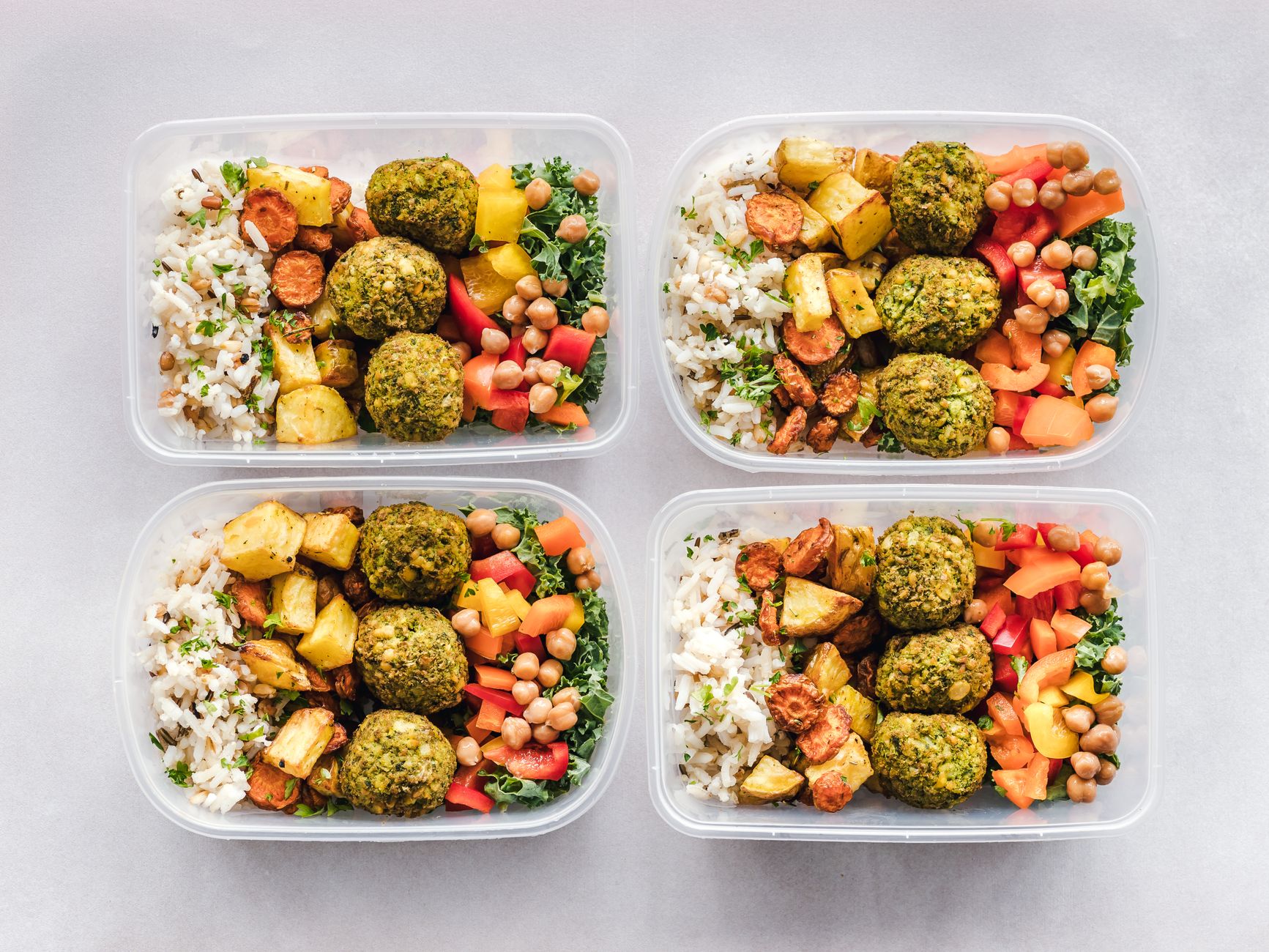
    Cooking for one can sometimes feel like an uphill battle. You buy fresh ingredients, only to toss half of them because they go bad before you use them. From what I’ve seen, singles waste about 40% more food than families. That’s frustrating—not just a waste of money, but a waste of effort. Let’s explore easy vegetarian meals for one that won’t lead to half-eaten veggies ending up in the trash.
    In my experience, having a few core ingredients that mesh well can really make a difference. It’s about mastering the art of portion math. You don’t need to whip up a full meal every time you’re hungry. A few versatile dishes can be your go-to throughout the week. Here’s how to simplify cooking for one, save some cash, and cut down on waste.

    Why Portions Go Wrong

    When you’re cooking solo, it’s easy to get caught buying too much or too little. I used to grab bags of fresh spinach, thinking I’d use it all week. Instead, I found myself tossing clumps of slimy greens every Friday. The issue is that most recipes serve multiple people, which definitely leads to portioning mishaps.
    Single servings often create mountains of leftovers or a fridge half-full of unwanted food. For instance, a standard can of chickpeas yields about 1.5 cups of cooked beans and costs less than $1.50. If you don’t plan around that, you can easily overbuy and waste. A little math and smart meal rotation will help you avoid that trap.
    Also, think about your cooking tools. A 10-inch skillet can handle most single-serve cooking. It’s perfect for sautéing, scrambling eggs, and whipping up stir-fries, which saves you from extra cleaning. You might be surprised how simple adjustments in your cooking habits can reduce waste while making meals more enjoyable.

    Best Ingredients for Solo Cooking

    Picking the right ingredients is key to cutting down on waste. Take frozen spinach, for example—it costs about 60% less than fresh and has nearly the same nutritional value. With a bag in your freezer, you can toss in a handful for pasta, soups, or sautéed meals without worrying about spoilage.
    Lentils are another fabulous option. They cook in 20 to 25 minutes without soaking, making them a quick choice for busy weeknights. A cup of cooked lentils packs around 18 grams of protein, giving you a solid base for many types of dishes.
    And let’s not forget sweet potatoes. One averages around 130 calories and only takes about 5 minutes to microwave. You can slice it for salads, mash it, or roast chunks for a tasty side. Having these ingredients on hand provides a flexible foundation for your meals, maximizing their use while minimizing waste.

    Five Quick Meals That Scale

    Here are five simple vegetarian meals I rely on. They’re quick to make, healthy, and they complement each other so you won’t feel like you’re eating the same thing daily.
    1. Chickpea Stir-Fry: Sauté canned chickpeas with frozen spinach, garlic, and a splash of soy sauce. Toss it over rice or quinoa for a filling dish.
    2. Lentil Tacos: Cook lentils with taco seasoning, then serve them in corn tortillas topped with avocado and salsa. Trust me; this meal doesn’t get old quickly.
    3. Sweet Potato Hash: Dice and roast sweet potatoes with spices, tossing in frozen spinach. Top with a fried egg for a quick breakfast or dinner.
    4. Pasta Primavera: Cook your favorite pasta, then combine it with sautéed vegetables and frozen spinach. Add chickpeas for protein and a drizzle of olive oil for delicious flavor.
    5. Vegetable Soup: Mix lentils, frozen spinach, diced tomatoes, and any other frozen veggies you have. Season well and let it simmer for a comforting meal.
    These meals not only taste great but also utilize the same set of ingredients, which helps cut waste and keeps your shopping list manageable.
    Cooking for one doesn’t have to be a hassle filled with waste. By focusing on easy vegetarian meals for one, you can create a system that really works for you. With the right ingredients and a solid plan, you’ll be able to enjoy delicious meals without the guilt of throwing food away.

    FAQs

    What are the easiest vegetarian meals for beginners cooking alone?

    Start with simple dishes like pasta with veggies, chickpea salads, or lentil tacos. These recipes are quick, require few ingredients, and are highly adaptable for single servings.

    How do I avoid wasting vegetables when cooking for one?

    Plan meals around ingredients that can be used in multiple recipes, and consider frozen options to extend shelf life. Also, use smaller quantities in dishes to match single servings.

    Can I meal prep vegetarian food for one person without getting bored?

    Absolutely! Rotate through 2-3 core dishes each week, and incorporate different sauces or spices to keep meals exciting while still managing food waste effectively.

  • How To Decorate A Table For A Party Like a Pro in 2023

    How To Decorate A Table For A Party Like a Pro in 2023

    The table is your party’s unsung hero. Guests gather around it, food lands on it, and half the photos from the night will feature it. So knowing how to decorate a table for a party without spending a fortune is genuinely useful — and more straightforward than most people expect.

    Pick Your Color Palette First

    Start here, because every other decision flows from this one. Three colors is the practical ceiling; go beyond that and things start looking chaotic rather than festive. When I set up a birthday table last spring, I used navy, gold, and white, and it read as polished without feeling stiff. Navy and gold is an easy combination to pull off because the contrast does the heavy lifting for you.
    Think about the energy you want in the room. Bright fuchsia and yellow push the mood toward loud and celebratory, while dusty rose or sage keeps things quieter and more intimate. And don’t overlook what’s going on the table, food-wise. A pale color palette with a lot of vibrant fruit platters can actually work in your favor, or clash badly, depending on how you balance it. Balloon clusters (a genuinely popular alternative to flowers right now) can be sourced in almost any color and tie your palette together without the price tag of fresh florals.

    Layer Linens, Centerpieces, and Lighting

    Layering linens is the fastest way to make a table look intentional. A base cloth that reaches the floor, a shorter overlay in a contrasting texture, and a simple runner down the center — three layers, but it reads as something you planned carefully. Renting tablecloths runs roughly $15 to $30 each, which is worth it if you’re trying to transform a basic folding table into something guests actually comment on.
    Centerpieces need to stay under about 12 inches if you want people across the table to see each other. Balloon clusters work well here because you can control their height. Simple flower arrangements in a short vase are fine too, though I’d skip anything too wide, since people need room to reach across the table. Lighting is the piece most people underestimate. Warm fairy lights or low candles soften everything, including the faces of your guests, which is always a good thing. Overhead fluorescent lighting is the enemy of a good party atmosphere, so work around it if you can.

    Final Touches Before Guests Arrive

    Do a full walk-around about an hour before anyone shows up. You’ll catch things you missed: a napkin that’s slightly off, a centerpiece that shifted, a gap where the runner bunched up. Napkin folds don’t need to be elaborate; even a simple diagonal fold looks deliberate when it matches your color scheme. Place cards are optional, but they add a personal detail that guests notice.
    On the budget side, décor should sit somewhere around 10% to 15% of your total spend. A $1,000 party means roughly $100 to $150 on table decoration, which is actually enough if you’re strategic about where you put the money. Honestly, I’m not always sure that number works for smaller budgets, since some rentals have minimum orders, but it’s a reasonable starting point. Leave counter space for serving dishes; a crowded table looks unintentional, and guests need somewhere to set their plates down.

    Make the Table Feel Like Home

    Step back before your first guest walks in and actually look at the whole setup. Knowing how to decorate a table for a party is really just knowing how to make people feel welcomed before a word is spoken. The color, the layers, the light — all of it signals that someone thought about this. And that’s what guests remember, even if they can’t explain why.

    FAQs

    How far in advance should I decorate a party table?

    The day before works well for most setups, leaving time for small adjustments. Flowers and fresh food elements go on the morning of the event.

    What is the best centerpiece for a dining table party?

    Balloon clusters are a practical, affordable choice that keeps height manageable. Floral arrangements work too, as long as they stay under 12 inches tall.

    How do I decorate a table on a tight budget?

    Layer linens creatively, use balloon centerpieces, and pull in anything useful from your garden. Rented tablecloths stretch a small budget further than most people expect.

  • 10 Healthy Snacks at Trader Joe’s That You Need to Try

    10 Healthy Snacks at Trader Joe’s That You Need to Try

    You’d be surprised how many healthy snacks at Trader Joe’s are just sitting there, waiting for you to notice them. Some people go for the frozen meals or the fancy cheeses, and I get it. But the snack section is genuinely worth your attention, especially if you’re trying to eat better without spending a lot.
    I’ve picked up most of these on regular grocery runs, and they hold up. Good nutrition, reasonable prices, and nothing that tastes like cardboard.

    Top 10 Healthy Snacks Overview

    Here are the best healthy snacks at Trader Joe’s worth putting in your cart:

    1. Chili Lime Chicken Snack Strips: High protein, big flavor.
    2. Roasted Seaweed Snack: Crunchy, low-calorie, vitamin-rich.
    3. Just Mango Slices: Sweet, simple, no added sugar.
    4. Almond Butter Filled Pretzel Nuggets: Sweet-salty combo that works.
    5. Organic Popcorn with Olive Oil: Light and good for movie night.
    6. Greek Yogurt Pomegranate Parfait: Filling, with probiotics and antioxidants.
    7. Dried Fruit Medley: Easy to carry, good fruit variety.
    8. Everything but the Bagel Nut Duo: Almonds and cashews with seasoning you’ll keep reaching for.
    9. Plantain Chips: Crunchy and a real step up from potato chips.
    10. Cauliflower Crisps: Low-calorie twist on a classic crunch.

    Nutritional Facts for Each Snack

    Here’s what you’re actually getting per serving:

    1. Chili Lime Chicken Strips: 70 cal, 12g protein, 2g carbs.
    2. Roasted Seaweed Snack: 30 cal, 1g protein, 1g carbs.
    3. Just Mango Slices: 110 cal, 1g protein, 30g carbs.
    4. Almond Butter Pretzel Nuggets: 140 cal, 4g protein, 20g carbs.
    5. Organic Popcorn with Olive Oil: 120 cal, 3g protein, 18g carbs.
    6. Greek Yogurt Pomegranate Parfait: 150 cal, 12g protein, 18g carbs.
    7. Dried Fruit Medley: 140 cal, 1g protein, 36g carbs.
    8. Everything but the Bagel Nut Duo: 200 cal, 6g protein, 12g carbs.
    9. Plantain Chips: 150 cal, 1g protein, 20g carbs.
    10. Cauliflower Crisps: 130 cal, 4g protein, 14g carbs.

    The Dried Fruit Medley skews higher in carbs, so if you’re watching that, it’s worth noting. Otherwise these are solid across the board.

    Price Points Under $5

    This is where Trader Joe’s genuinely earns its reputation. Every snack on this list costs under five dollars:

    • Chili Lime Chicken Strips: $3.99
    • Roasted Seaweed Snack: $1.99
    • Just Mango Slices: $3.49
    • Almond Butter Pretzel Nuggets: $3.49
    • Organic Popcorn with Olive Oil: $2.99
    • Greek Yogurt Pomegranate Parfait: $2.99
    • Dried Fruit Medley: $4.49
    • Everything but the Bagel Nut Duo: $4.99
    • Plantain Chips: $1.99
    • Cauliflower Crisps: $2.99

    Stocking up on several of these at once won’t wreck your grocery budget. That’s rare for anything marketed as “healthy.”

    Customer Favorites and Reviews

    People really do talk about Trader Joe’s snacks. The Roasted Seaweed is a constant favorite, mostly because it’s so light you barely feel like you’re eating a snack, but it actually satisfies. The Everything but the Bagel Nut Duo gets mentioned constantly too, and I think it’s because that seasoning blend is weirdly addictive. The Greek Yogurt Pomegranate Parfait gets mentioned as both a breakfast option and a midday pick-me-up, which tells you something about how filling it is. I’ve overheard more than one checkout-line conversation about these.

    Seasonal and Limited-Time Offerings

    Trader Joe’s rotates things in and out, which is fun but occasionally frustrating. Fall usually brings pumpkin spice versions of things, and summer tends to mean more fruit-forward options. Holiday-themed trail mixes and special granola blends show up around winter and tend to go fast. If you spot something seasonal that looks good, buy it then. I’ve gone back a week later for something and found an empty shelf.

    Gluten-Free Snack Options

    Most of the snacks on this list are gluten-free, which is genuinely useful. The Roasted Seaweed and Plantain Chips are clear picks. The Almond Butter Filled Pretzel Nuggets are made with gluten-free ingredients too, so they work for people who are sensitive. Always check the label anyway, because formulations can change and packaging is your most reliable source.

    Worth the Trip

    Healthy snacks at Trader Joe’s cover a real range of flavors, textures and dietary needs, all without pushing past five dollars. From protein-heavy options like the Chicken Strips to lighter picks like the Seaweed Snack, there’s enough variety that you won’t get bored. Keep an eye on the seasonal shelf too. Some of the best finds show up there.

    FAQs

    What are the healthiest snacks at Trader Joe’s?

    The Chili Lime Chicken Strips, Roasted Seaweed Snack, and Greek Yogurt Pomegranate Parfait are strong picks for protein, low calories, and good nutrients.

    Are Trader Joe’s snacks affordable?

    Yes, every snack on this list is under $5, with several under $3.

    Do they offer gluten-free snacks?

    Yes. The Roasted Seaweed Snack, Plantain Chips, and Almond Butter Pretzel Nuggets are all gluten-free options worth checking out.