How to Start a Business Book That Actually Gets Read
By Bella Sleep Editors4 min read
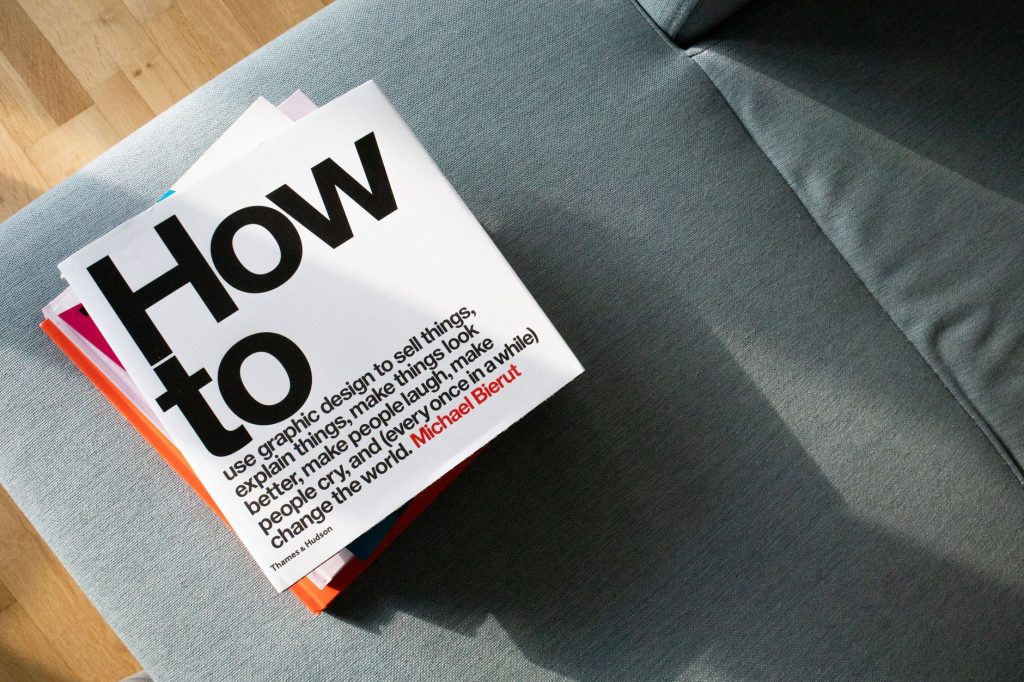
Most folks who want to write a business book spend about six months mulling it over and then only a few days actually typing away. I’ve seen it happen, including with my own first experience. Though all that thinking isn’t lost, it can become a cozy substitute for the real work you need to do.
When figuring out how to start a business book, you should consider three key things: knowing the kind of book you’re writing, having a clear structure before you open that blank document, and understanding that publishing is a separate beast. Skip any of that, and you might end up in the same boat as the 70% of self-published books that never really get read. That’s not a made-up number — it aligns with what I’ve heard from editors and indie publishing consultants over time.
Let me illustrate this with an example. Imagine you’re a supply chain consultant named Jess, and you want to write about procurement strategy. That’s a genuine niche with a specific audience, and the decisions you make from the start can make or break your book.
Jess’s first thought was to write “a business book about supply chains.” That’s too broad. The genre influences everything: the tone, the length of chapters, who writes the blurbs, and where it ends up on the shelf. The five main genres I see in the business world include leadership and management, entrepreneurship and startups, personal finance, industry-specific strategy (like Jess’s), and productivity and self-improvement. Each of these has its own conventions and target buyers.
Industry-specific strategy books usually tend to be shorter and denser, often bought by companies rather than individuals. This means Jess’s marketing plan won’t look anything like one for a personal finance book aimed at millennials. Getting the genre right from the get-go can save a lot of headaches down the line.
An outline isn’t just a table of contents; it’s a working argument. Before Jess writes a single word, I’d want her to craft one paragraph that answers: what does the reader believe at the start, and what do they believe at the end? If she can’t articulate that, her book lacks a backbone.
To move an outline from a vague idea to something usable, there are three steps:
For Jess, the transformation sentence was: “Procurement teams that see suppliers as strategic partners consistently outperform those that view them as vendors.” Every chapter had to support that point. Some struggled to make their case and had to be cut, which was tough, but necessary.
Here’s where a lot of first-time authors face a rude awakening. Self-publishing, when done right, costs real money. You should budget about $5,000 for editing, design, layout, and ISBN registration. Sure, you can spend less, but you’ll usually see the difference. Traditional publishing doesn’t cost you anything upfront but can take 18 to 24 months and requires a literary agent, adding to the complexity.
Jess opted for a hybrid model, which is more common for business authors who already have a following. She invested around $4,200 in a small hybrid press that handled production and helped with distribution. This way, she kept more royalties than she’d get from a traditional deal and maintained more control over timing. Just a heads-up: hybrid presses can vary greatly in quality, so look for references before signing.
Knowing how to start a business book properly really helps because marketing begins even before the book is finished. Jess started sharing insights about procurement strategy on LinkedIn nine months ahead of her launch. Not marketing teasers, but useful content straight from her draft chapters. By launch day, she had a warm audience of about 3,000 people who trusted her expertise.
This matters. Book launch windows are short. Most sales in your first month determine whether you’ll get any algorithmic boost from platforms like Amazon or attention from the press. A cold launch to a cold audience usually flops. I’ve seen authors hit $100,000 in book sales within a year, but they almost always built their audience first, treating the book as a product at the core of a broader consulting or speaking enterprise.
Initially, Jess’s book sold modestly, but it picked up steam thanks to her LinkedIn posts directing traffic to it. By month six, she received two corporate training inquiries directly stemming from the book. This is the winning model for most business authors: the book serves as a credibility anchor rather than a standalone revenue source.
Knowing how to start a business book really means knowing how to kick off a body of work. The book stands as proof of concept. Write that argument clearly, publish it the right way, and build your audience first. Everything else? Just details, mostly.
Top genres include leadership, entrepreneurship, personal finance, industry strategy, and productivity. Industry-specific strategy usually attracts corporate buyers, leading to smaller yet more predictable sales.
Professionally self-publishing typically costs around $5,000 for editing, design, and layout. Hybrid presses can range from $3,000 to $8,000 based on the services they provide.
Common reasons include poor positioning, lack of a pre-existing audience, and insufficient investment in editing. Weak covers and absent marketing plans account for much of the rest.
The certified six sigma black belt handbook serves as a crucial resource for exam preparation, offering in-depth coverage of the ASQ CSSBB…
The DESS strategic management model offers a comprehensive framework that enhances organizational adaptability and efficiency. Access essential texts and…
Ignoring an end-to-end content strategy can lead to wasted resources and lost opportunities. Learn how a comprehensive approach enhances engagement and ROI.